North Pacific Passage to Japan
Ocean Cruise from Vancouver to Tokyo via Alaska
Sapporo
While docked in Otaru, we visited some of the sights in nearby Sapporo, the capital of Hokkaido Prefecture. The city has a population of about 2 million making it the largest city in Hokkaido and the largest north of Tokyo. We visited first the Hokkaido Shinto Shrine, followed by a visit to the Historical Village of Hokkaido and a driving tour around the city.
At the shrine there were several families presenting their small children that looked to be about 3 years old to pray for their healthy growth. There is a formal day for this in November, called Shichi-Go-San (7-5-3) involving children aged 3, 5 and 7.
At Shinto Shrines as well as Buddhist temples, we saw a lot of sake (rice wine) barrels. Sake barrels play a prominent role, serving as symbolic offerings to deities and representing the connection between the spiritual and human realms. At the Hokkaido Shrine, we saw Sapporo beer barrels instead that were dedicated to the dieties.
Among the many traditions involved at shrines, Ema is the one in which people write their wishes on small wooden plaques sold at the shrine, and hang them on display boards. Or they buy a plaque with the wish they want.
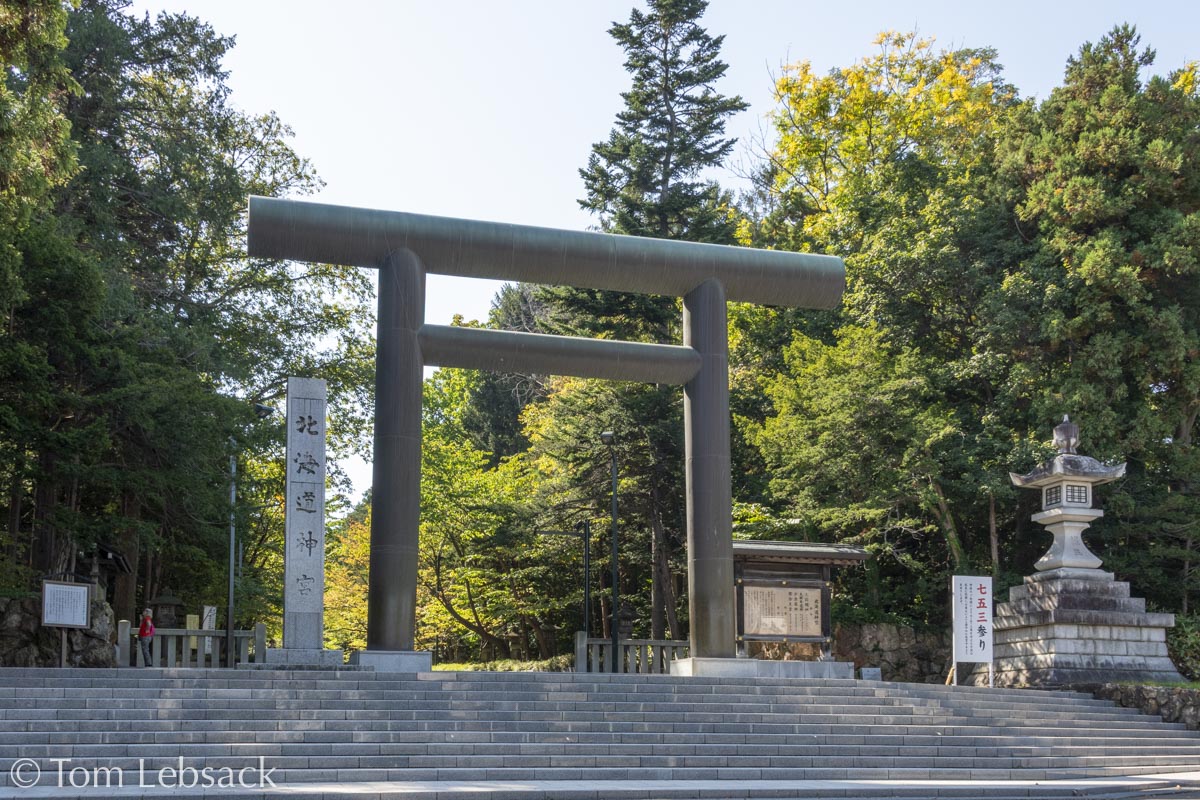
Hokkaido Shrine (2477)
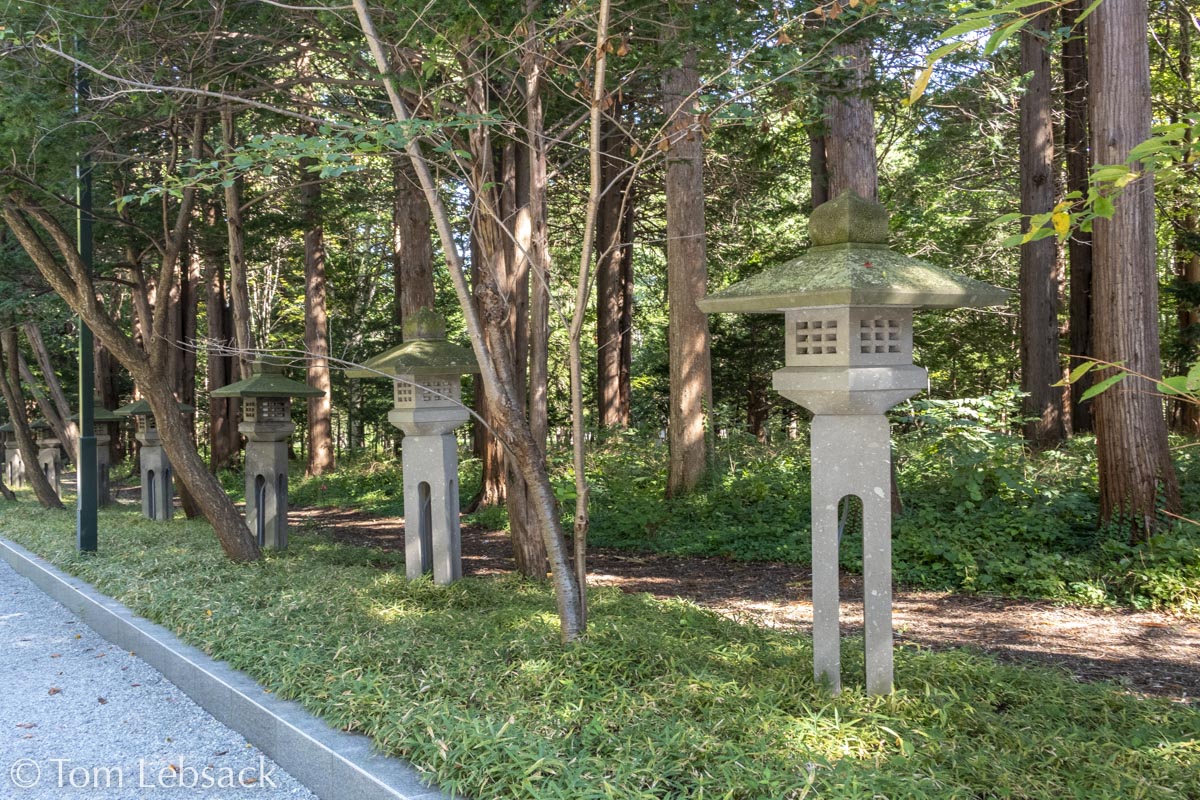
Hokkaido Shrine (2476)
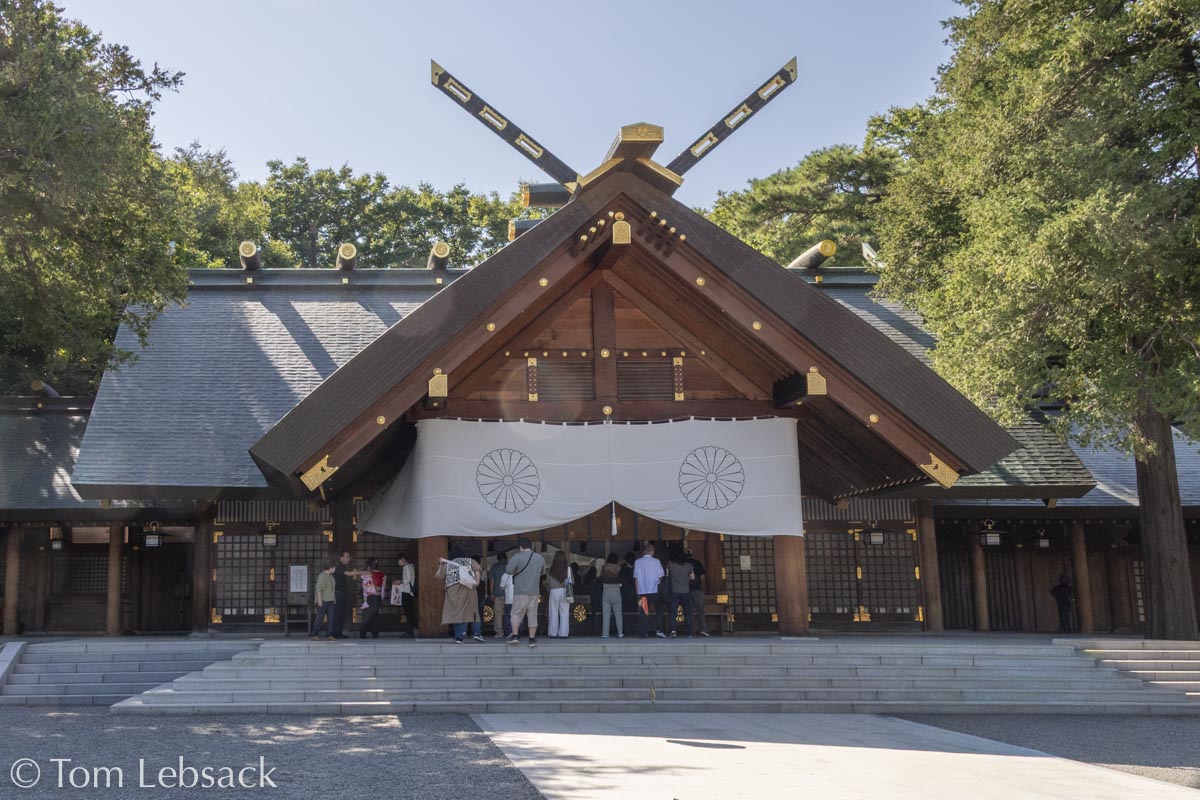
Hokkaido Shrine (2675)
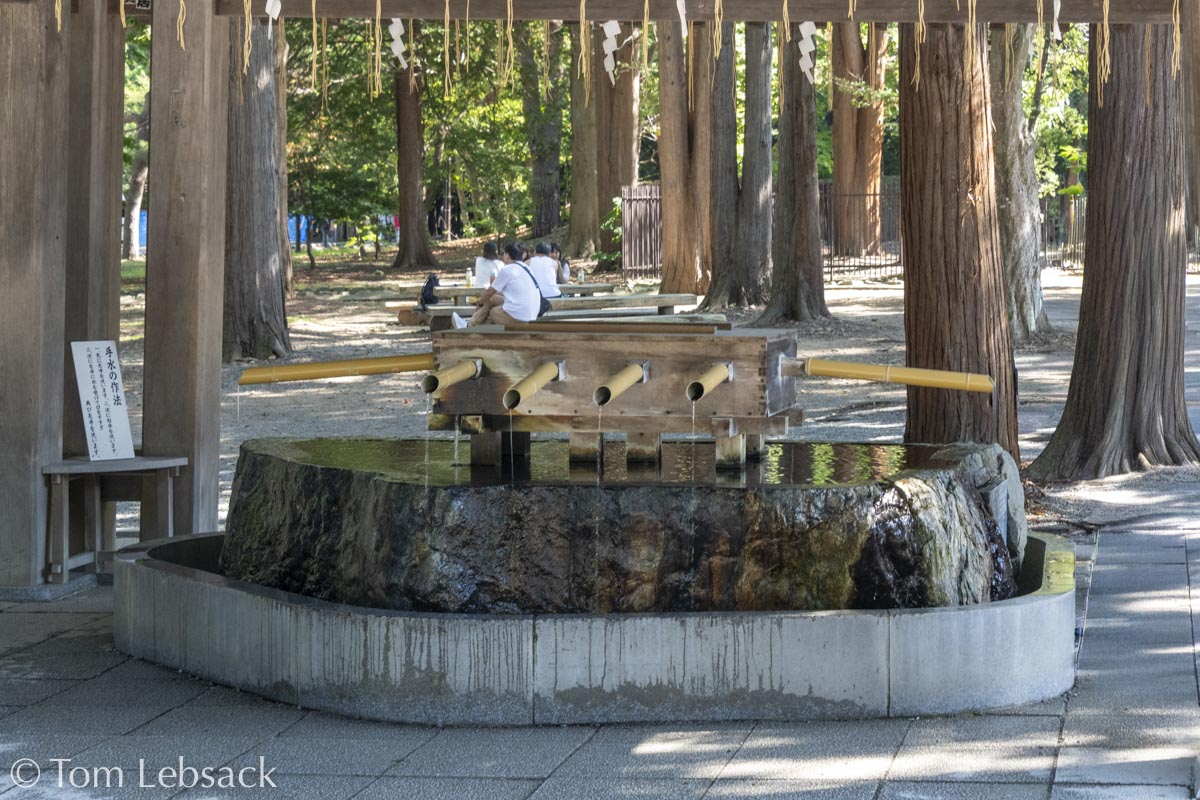
Hokkaido Shrine (2475)
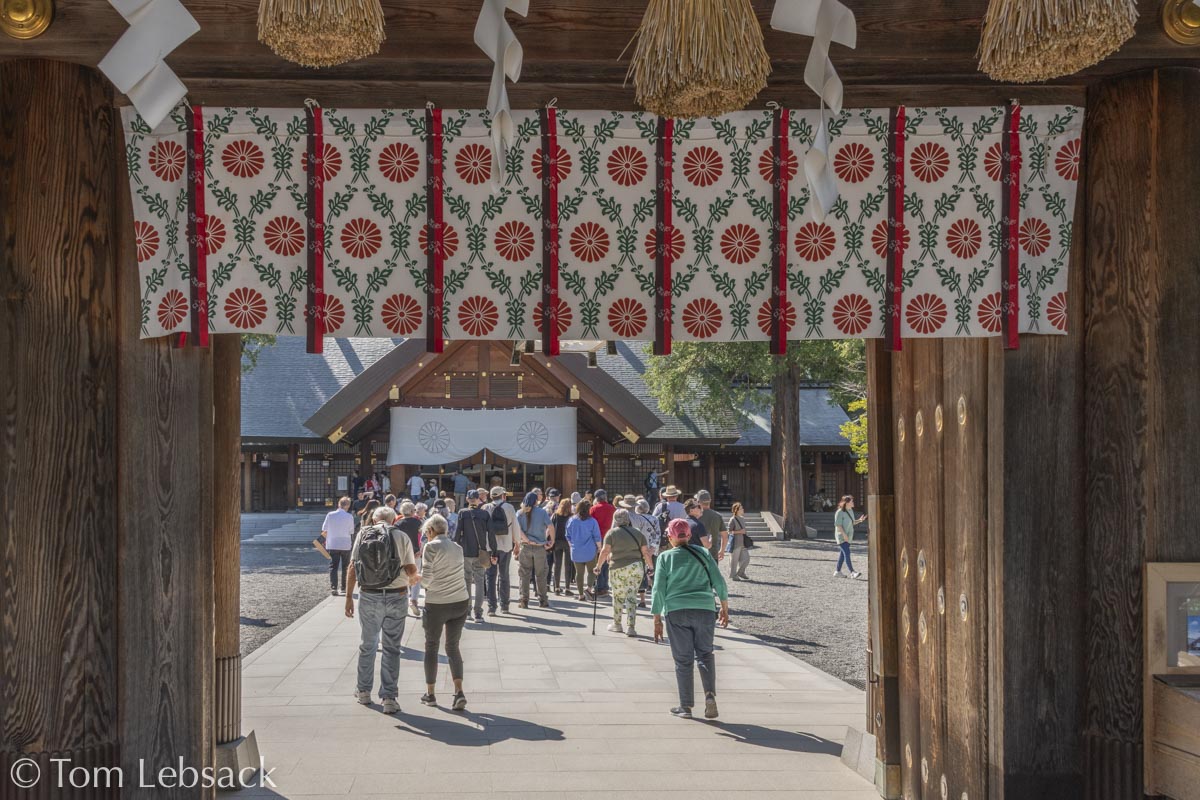
Hokkaido Shrine (2460)
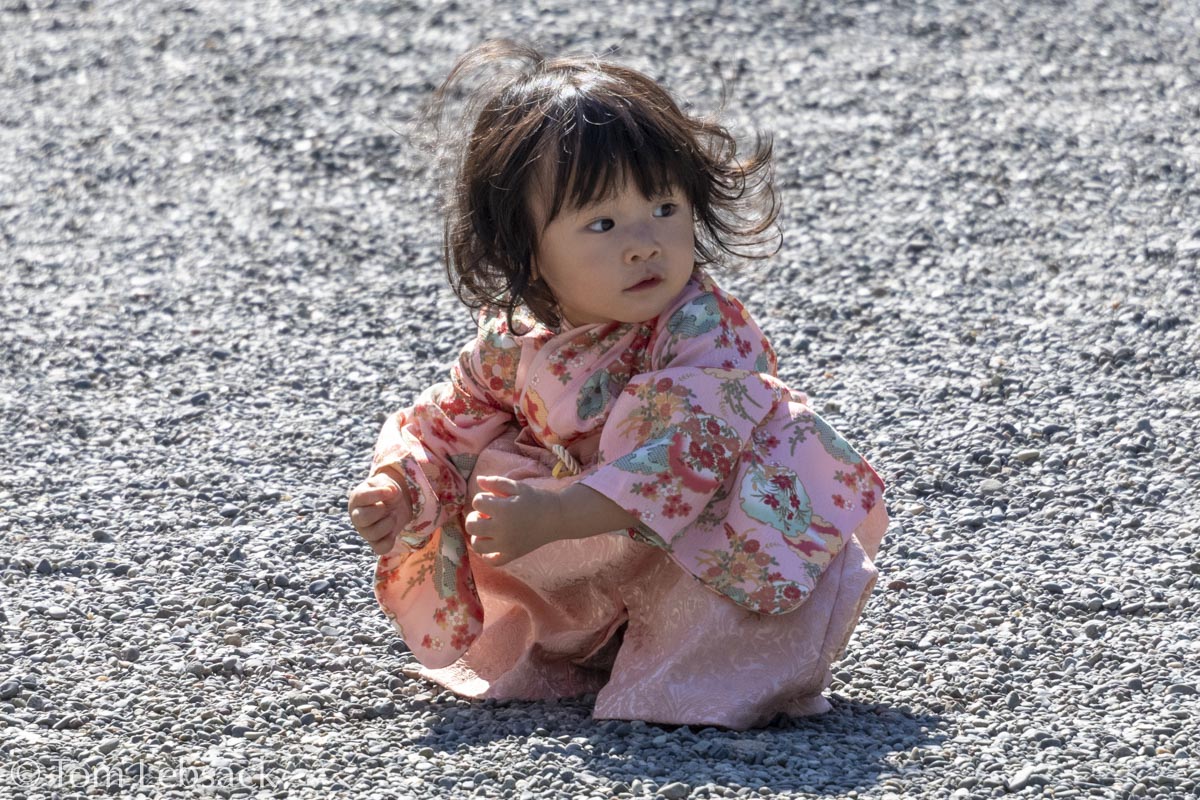
Hokkaido Shrine (2474)
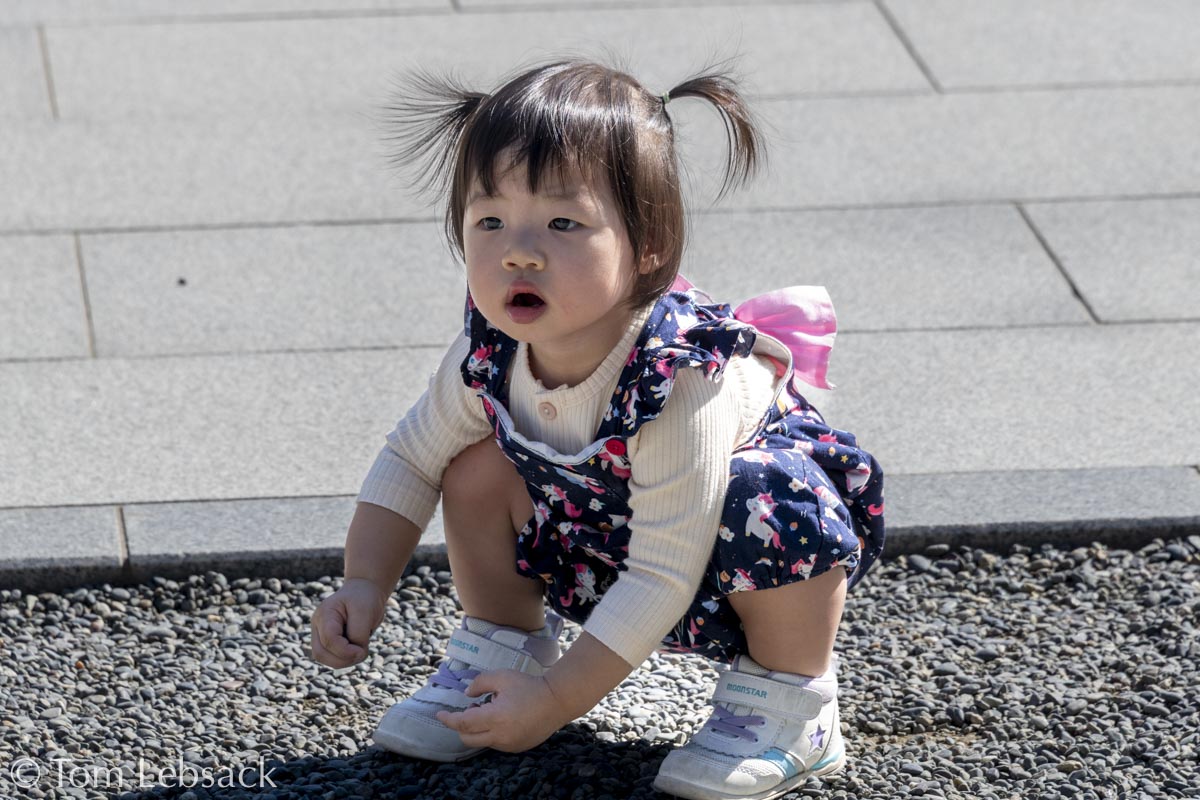
Hokkaido Shrine (2472)
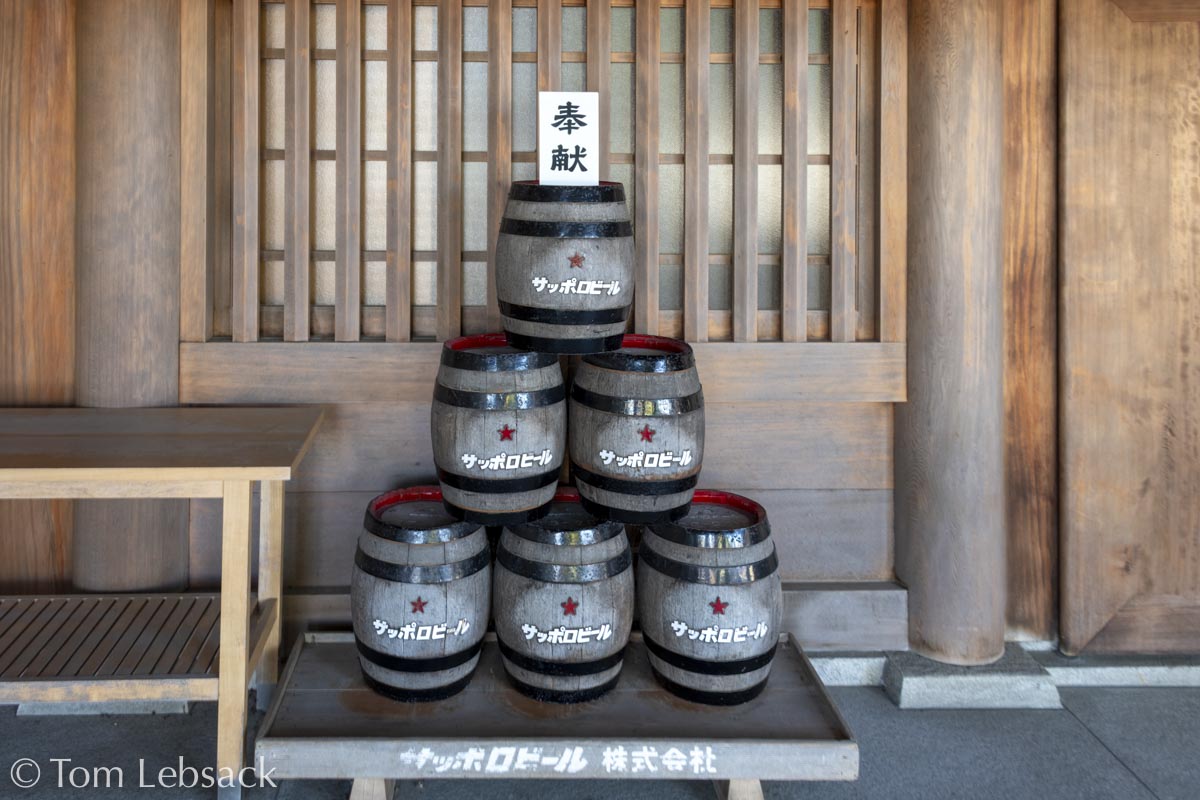
Sapporo Beer Barrels (2467)

Hokkaido Shrine (8438)
Ema at Hokkaido Shrine (8436)
Hokkaido Shrine (8434)
Hokkaido Shrine (8432)
Hokkaido Shrine (8431)
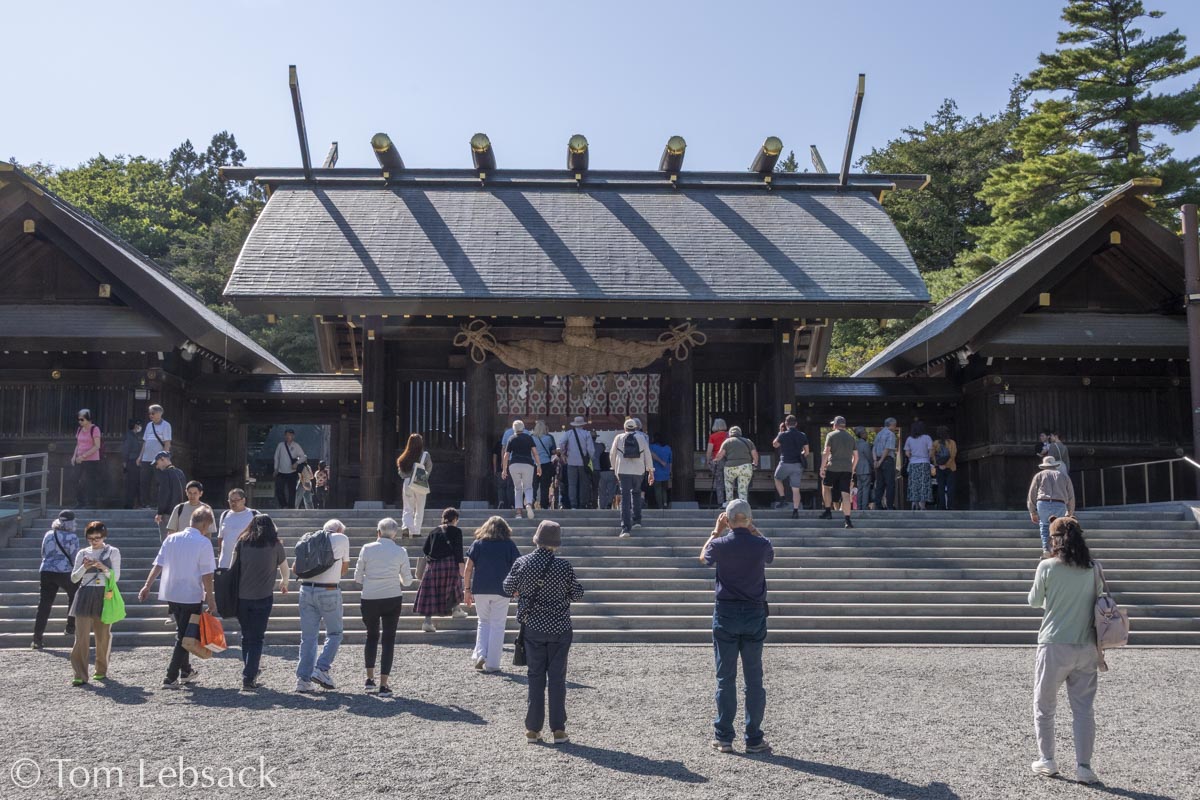
Hokkaido Shrine (2459)
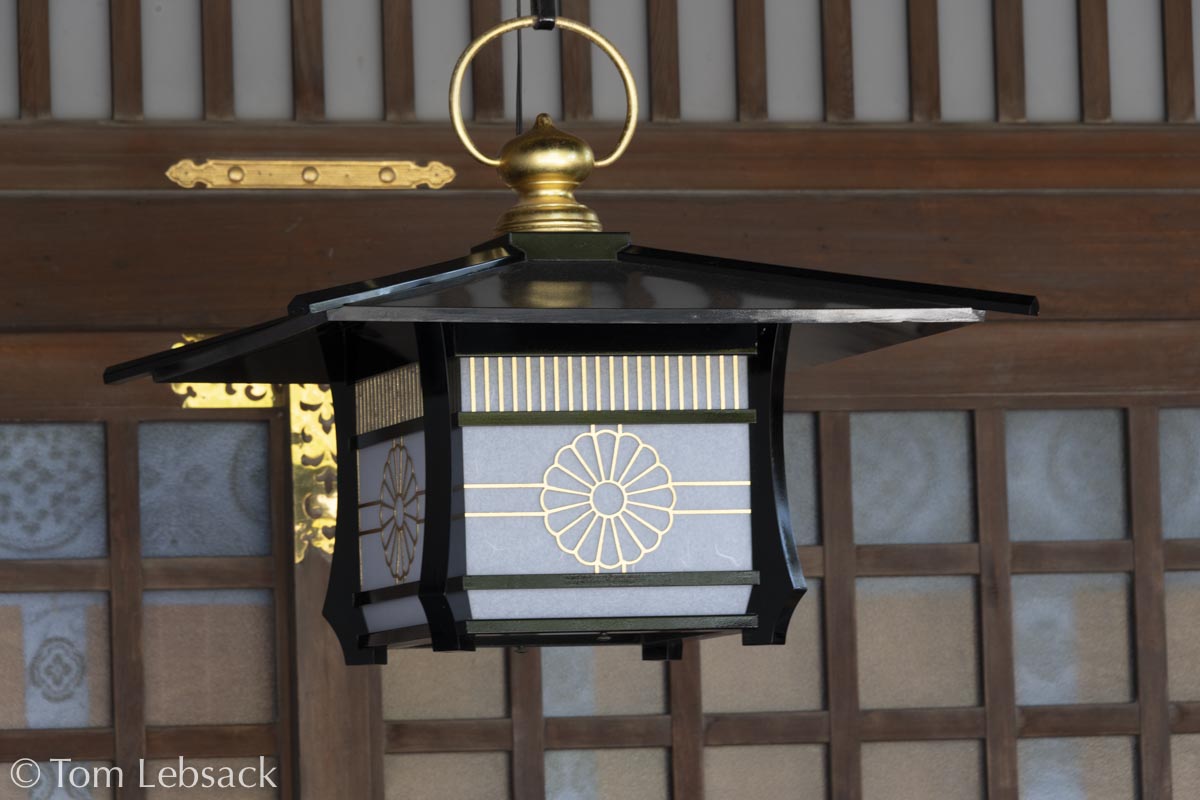
Hokkaido Shrine (2466)
Hokkaido Shrine (2466)
The Historical Village of Hokkaido, located just outside Sapporo, was our next stop. The village is an open air museum of relocated and restored buildings with artifacts that represent the history of Hokkaido from 1868 to the the 1920s, the Meiji era and Taisho era. We explored the village but didn’t have time to see it all. Everything is, of course, very traditional Japanese, but there are some artifacts, especially farm machinery from the West, as well as several western-style buildings.
Historical Village Map
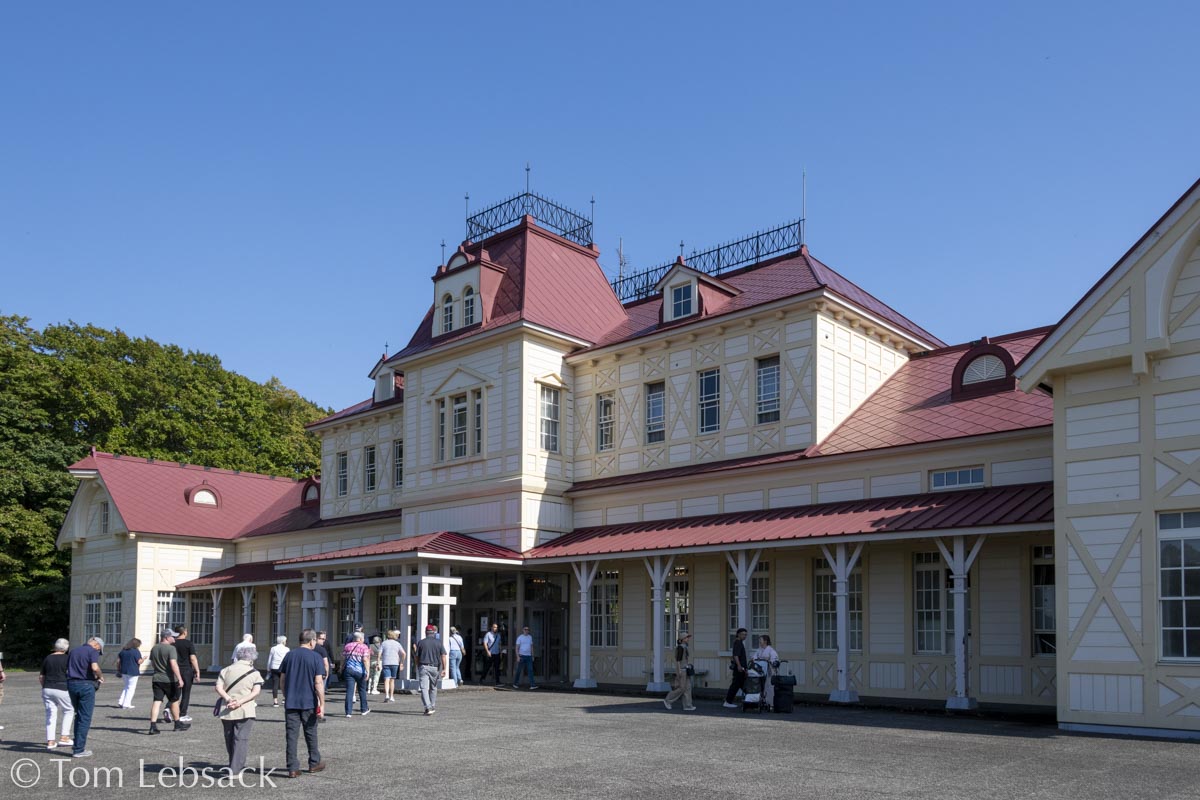
Village Entrance-Replica of Sapporo Station used until 1952 (2483)
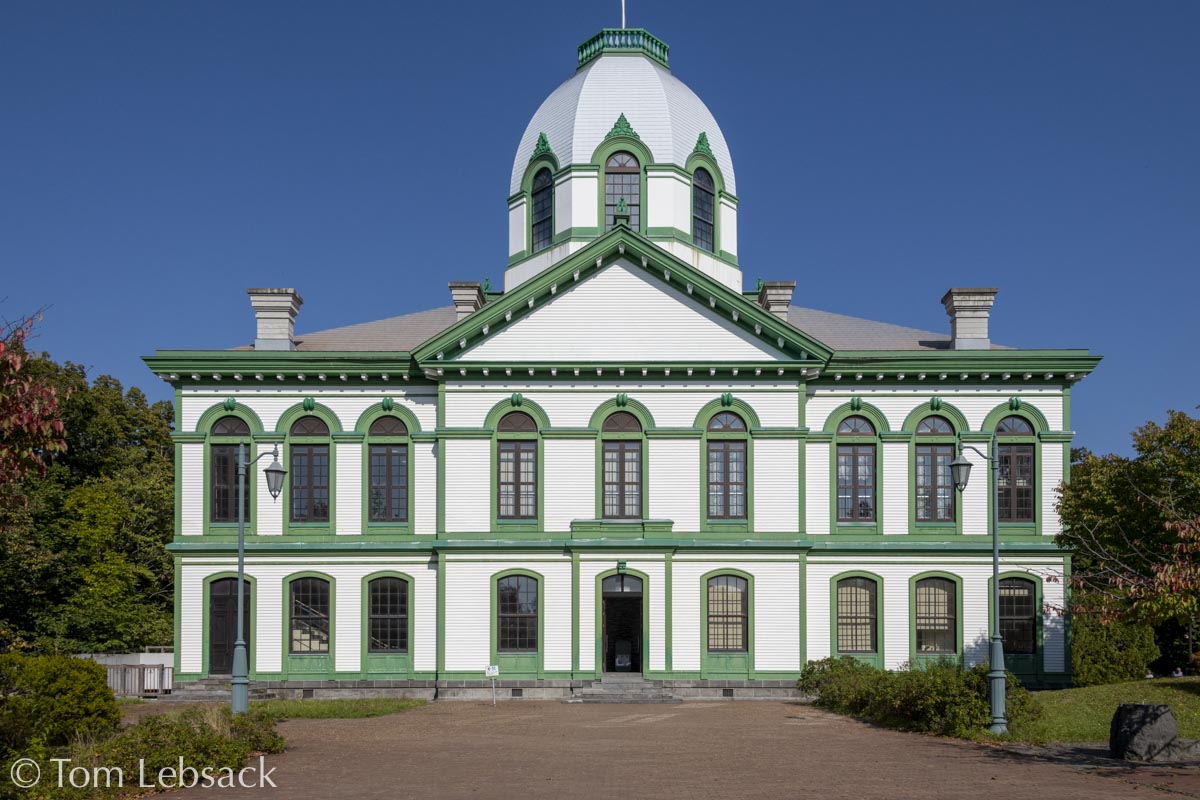
Hokkaido Development Commission Building (2487)
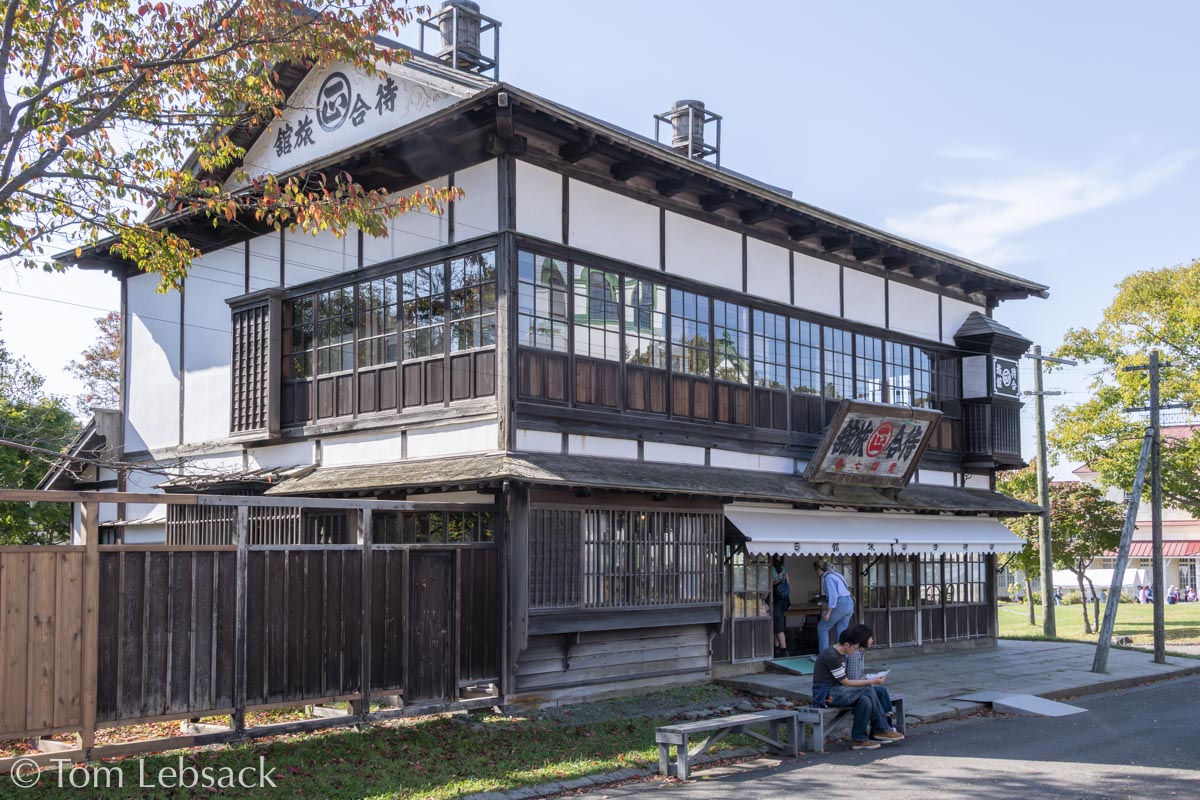
Inn (2488)
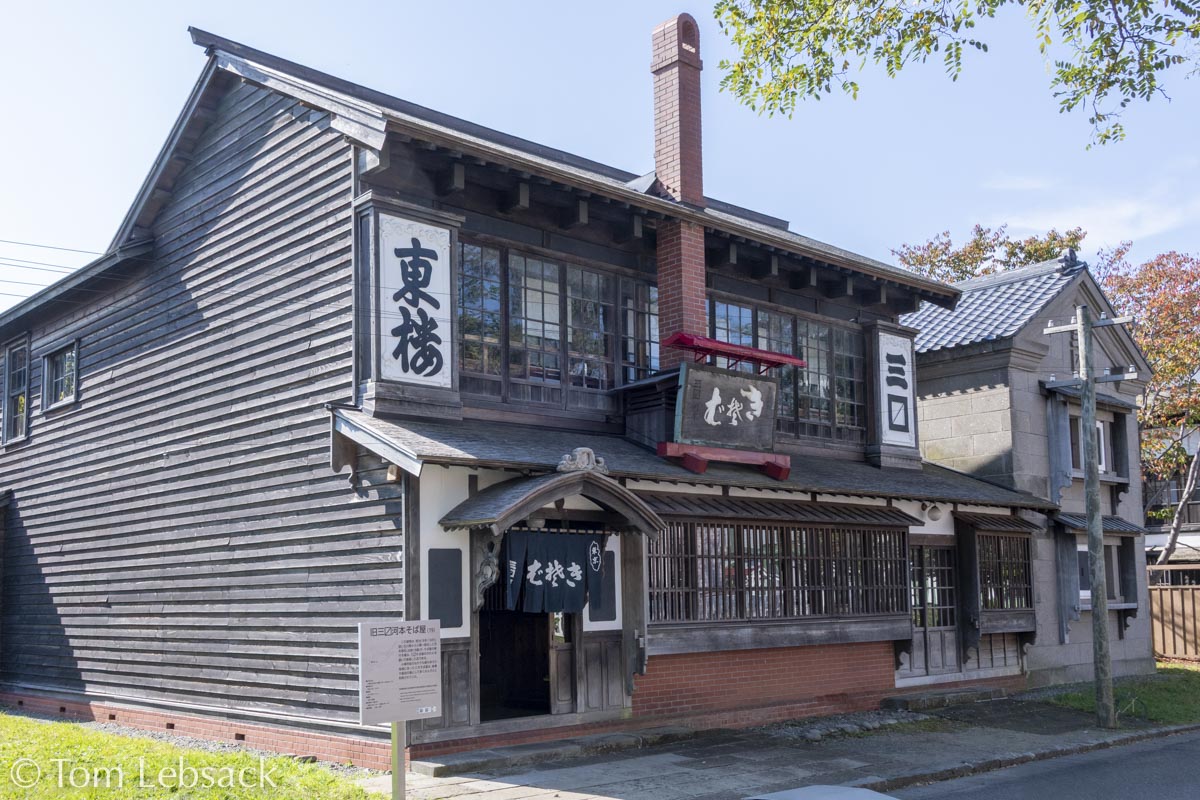
Buckwheat Noodle Shop (2490)
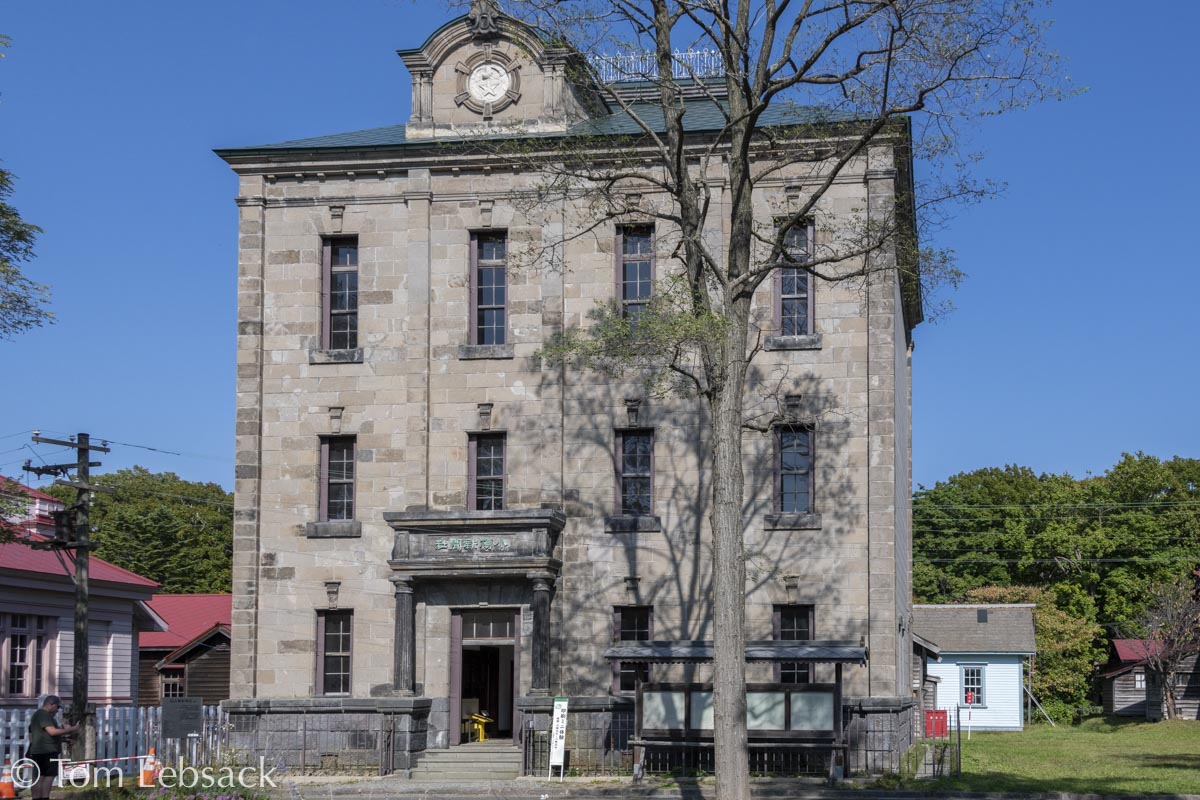
Newspaper Building (2492)
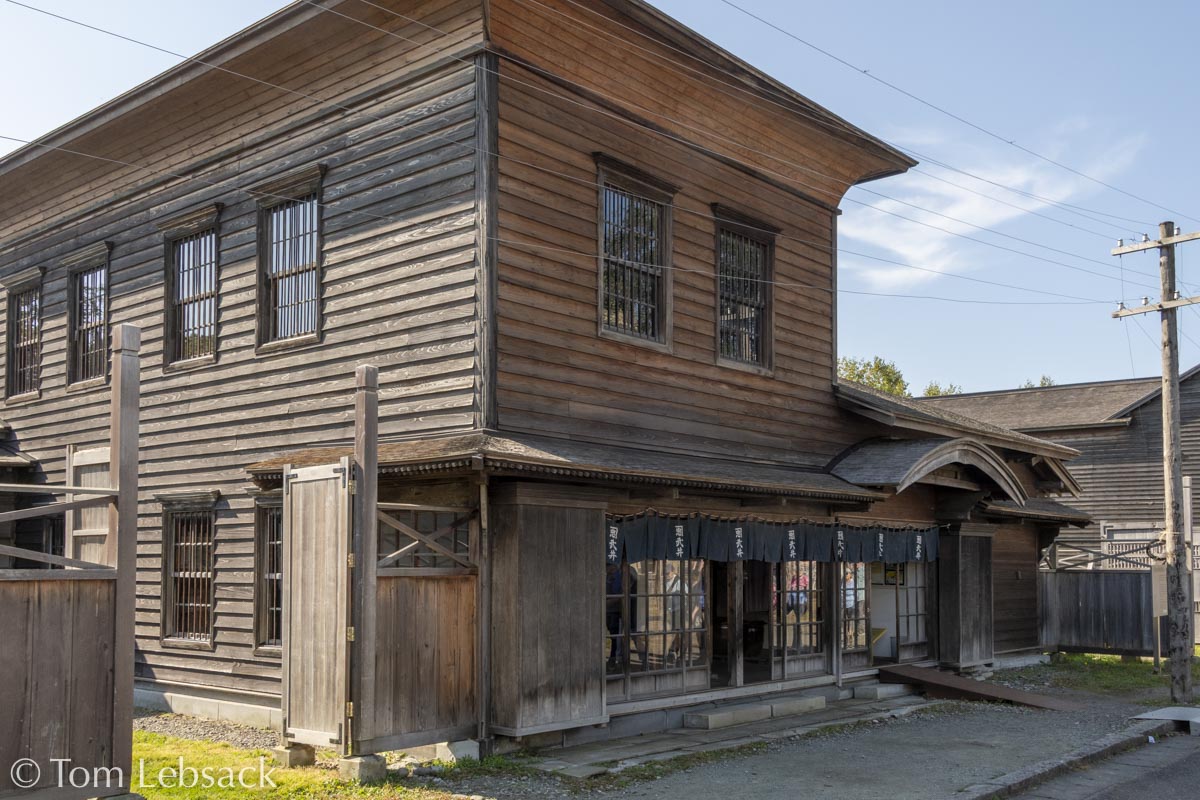
Sake Brewery (2494)
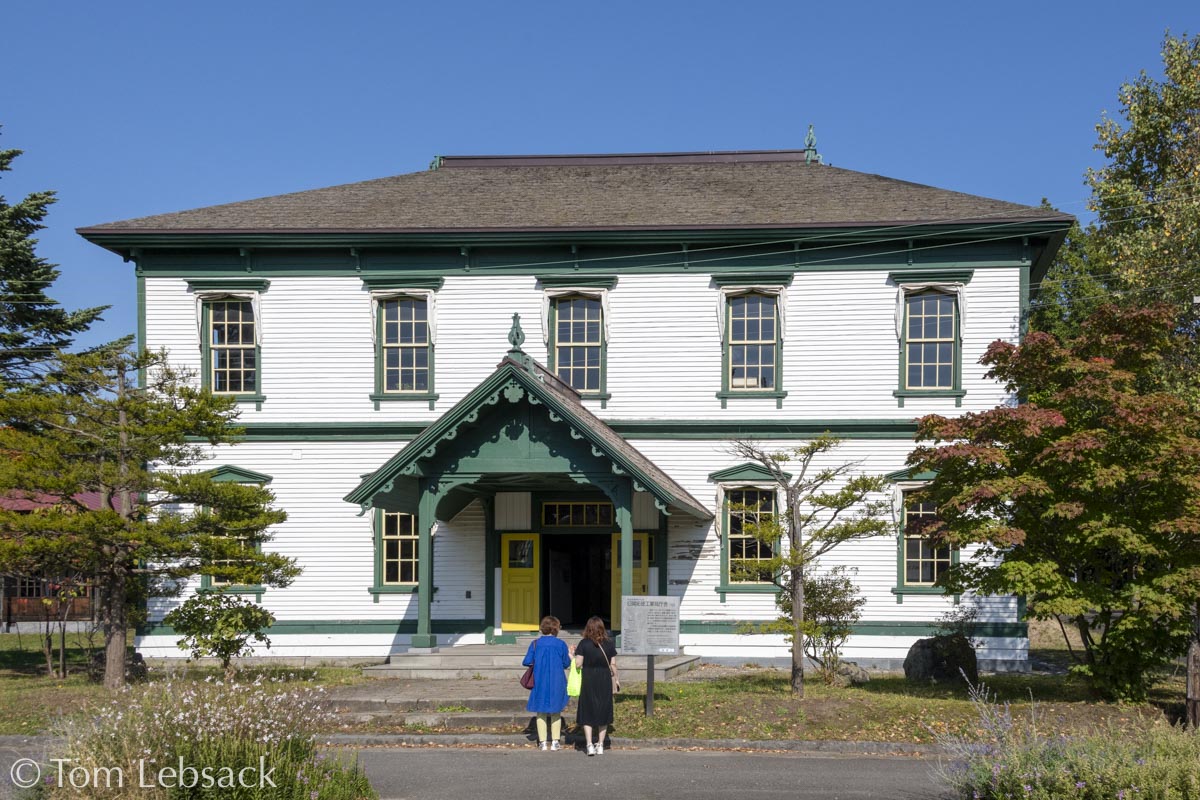
Industrial Development Office (2495)
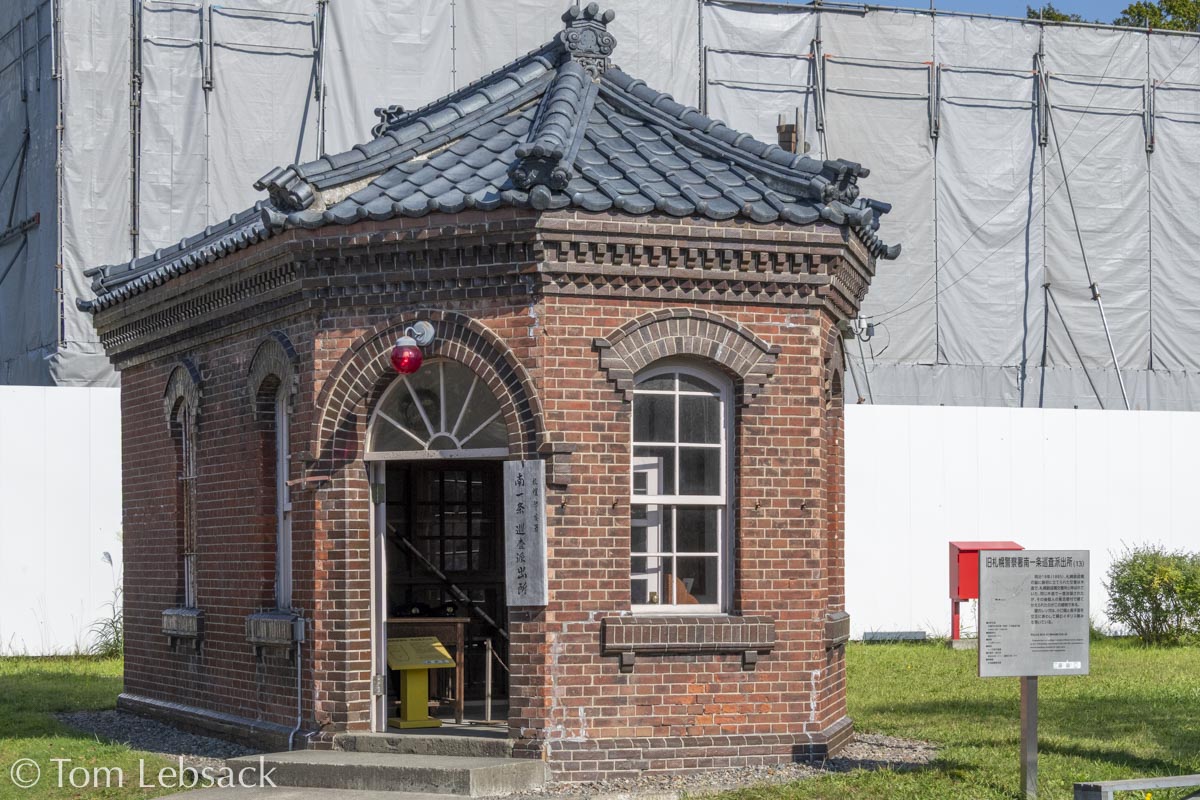
Police Box (2496)
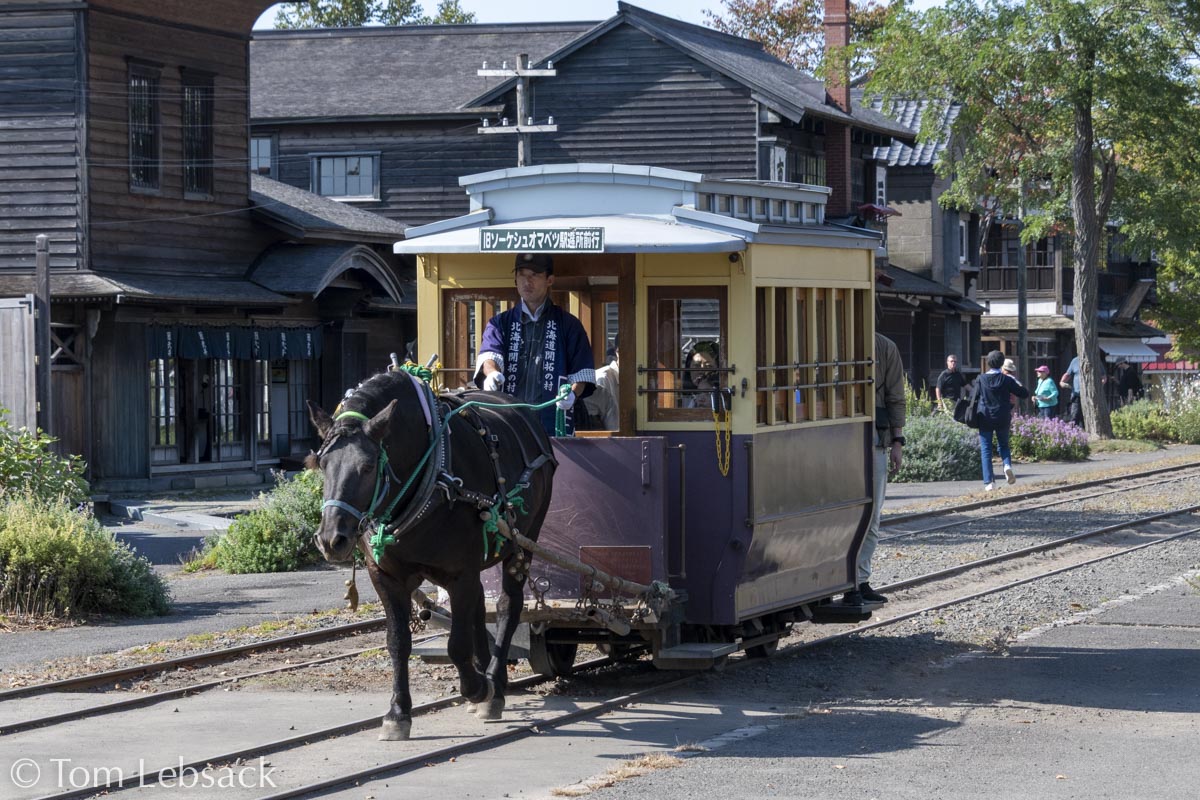
Horse-drawn Trolley (2499)
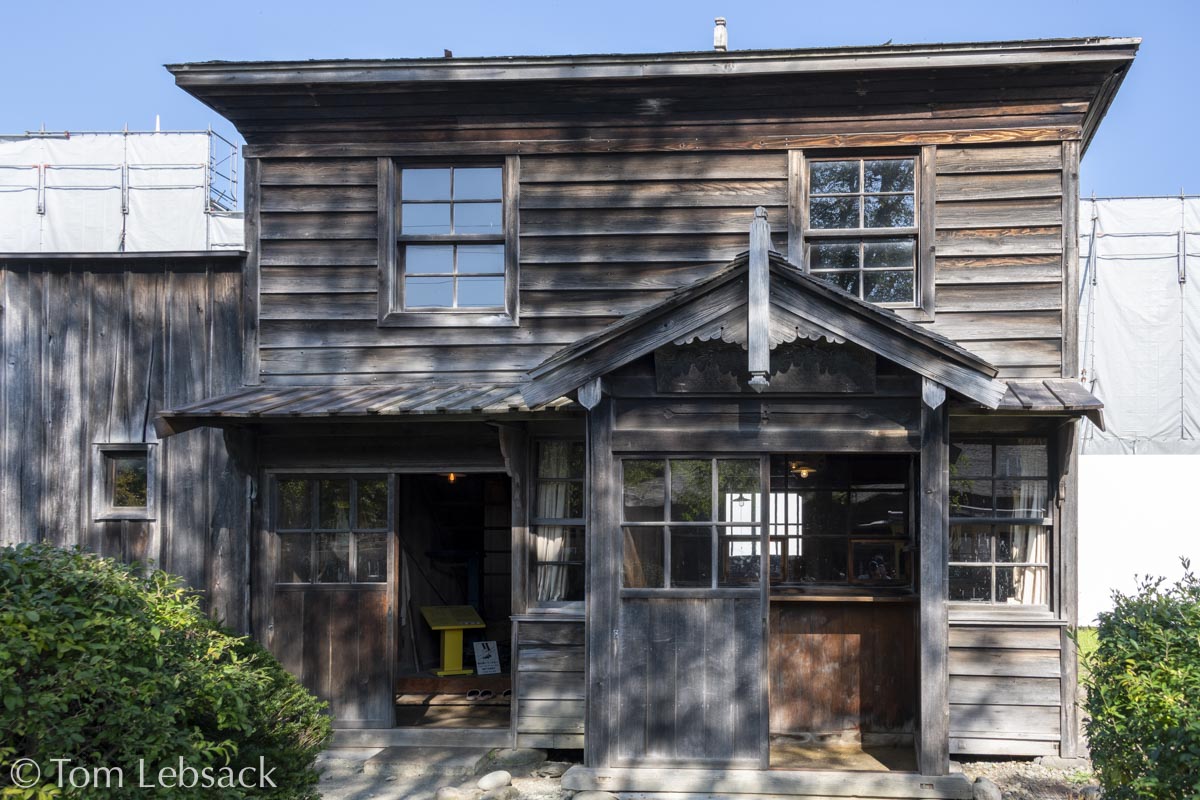
Post Office (2502)
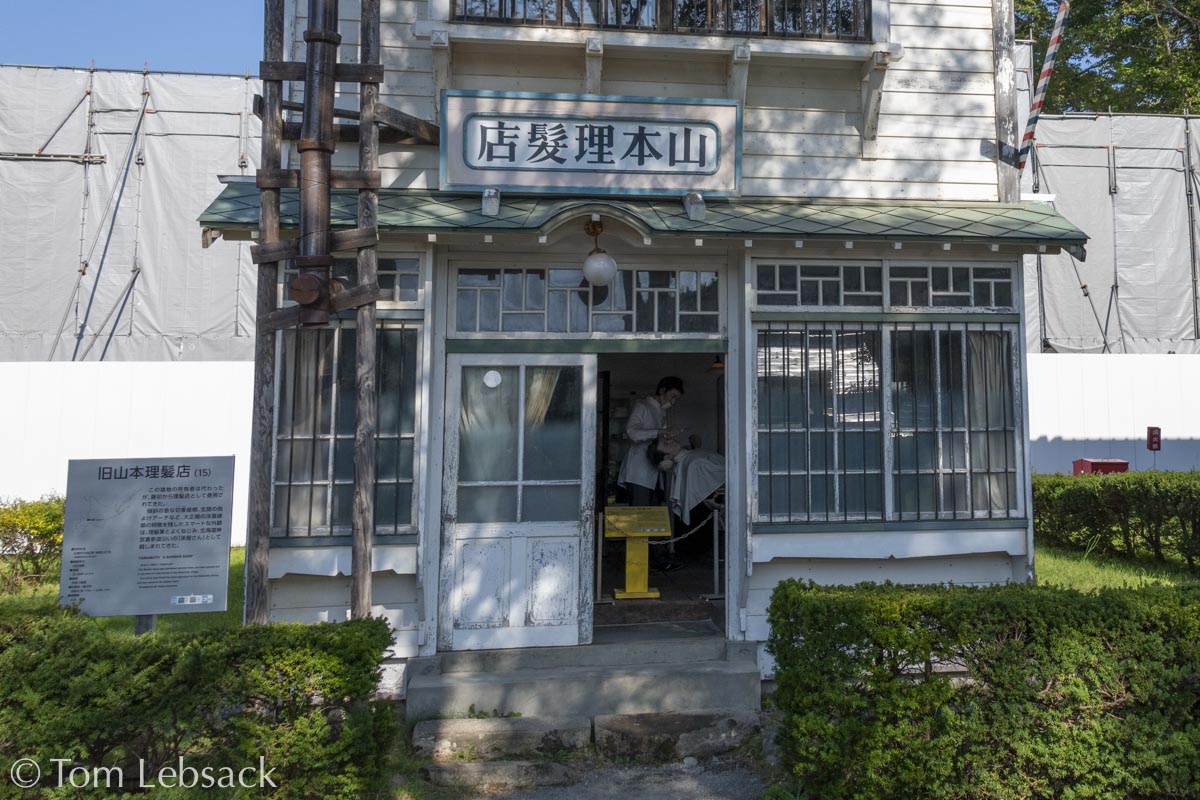
Barber Shop (2504)
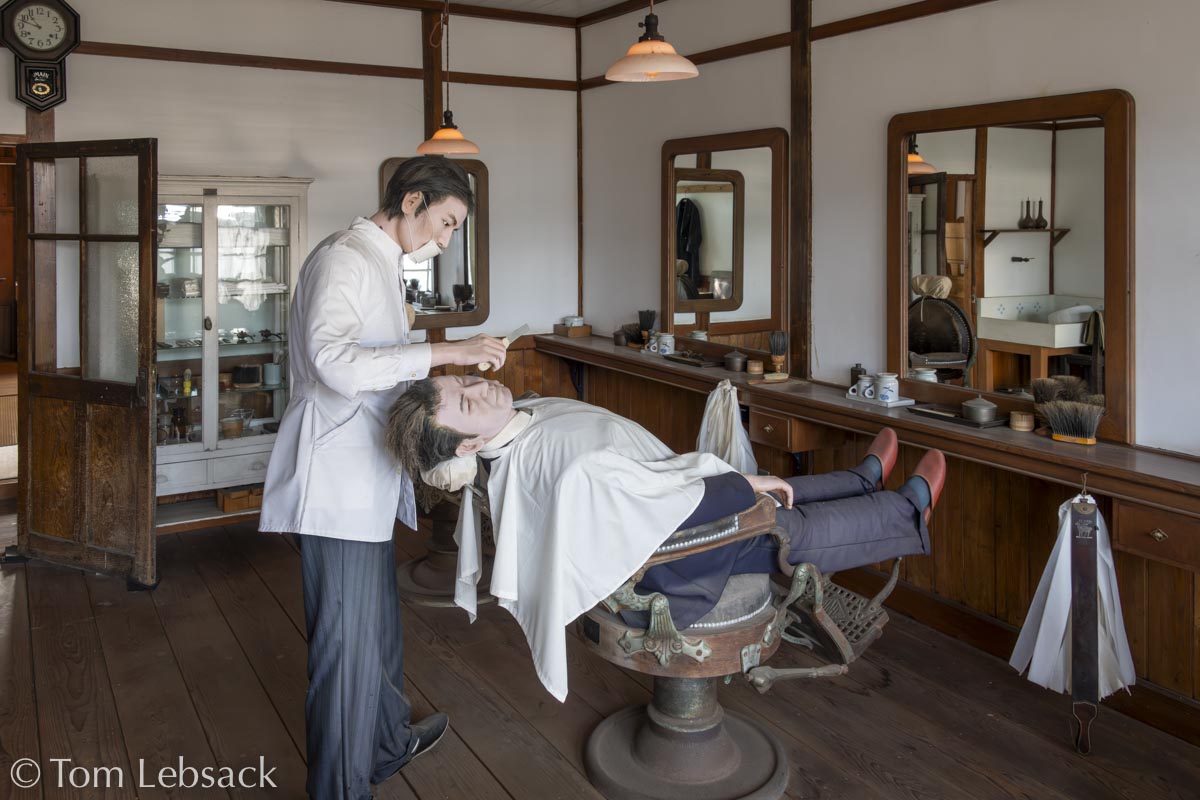
Barber Shop (2505)
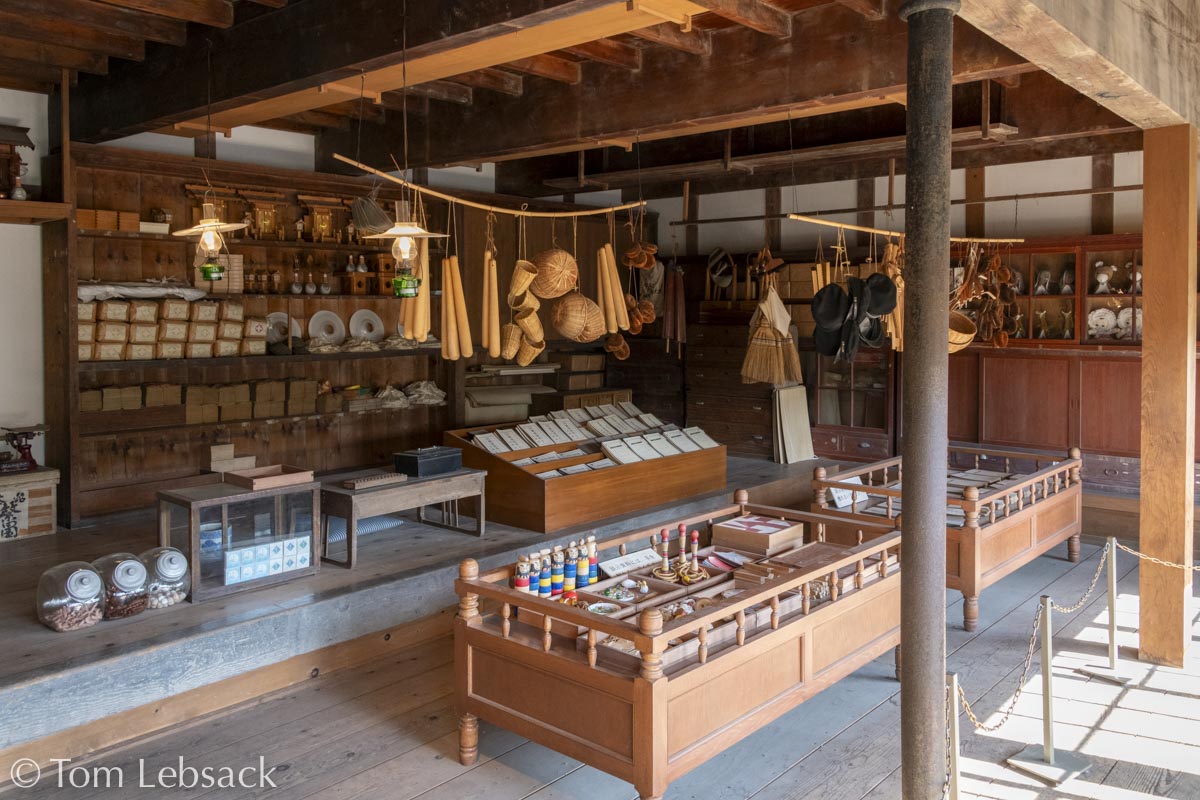
Grocery Store (2507)
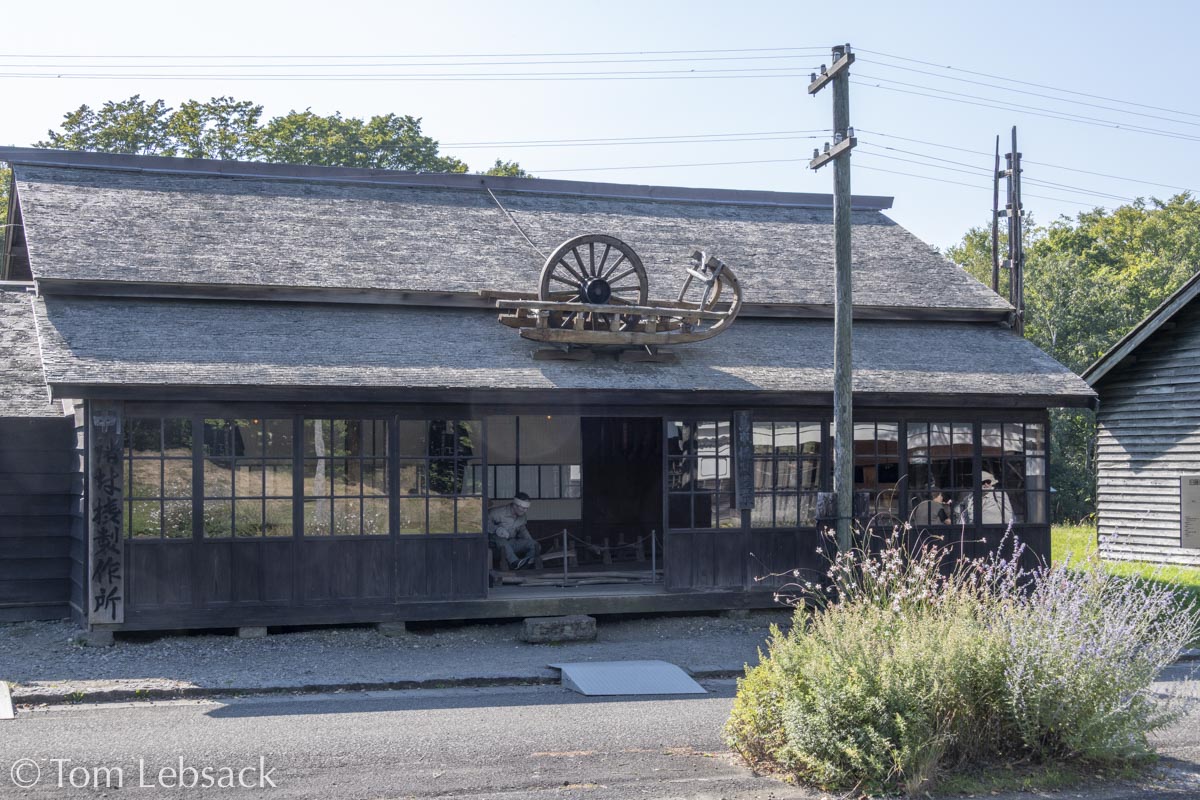
Cart and Sleigh Factory (2508)
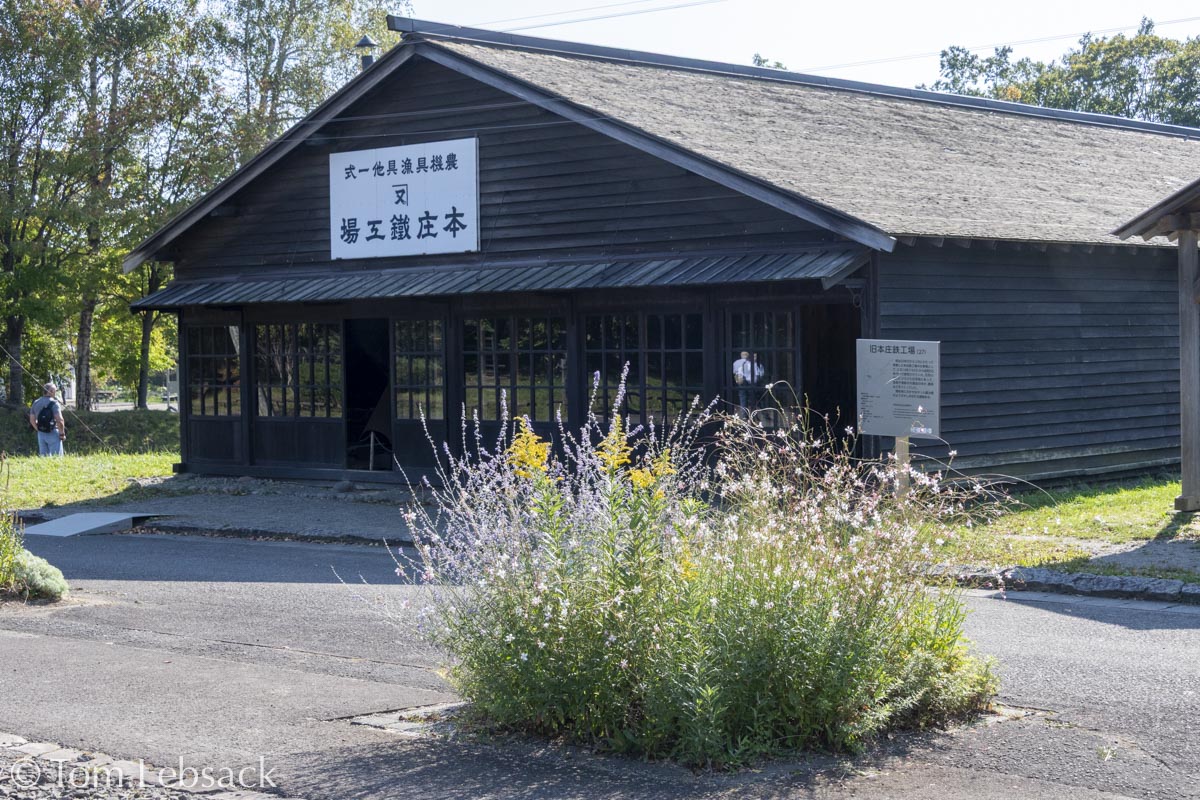
Blacksmith (2509)
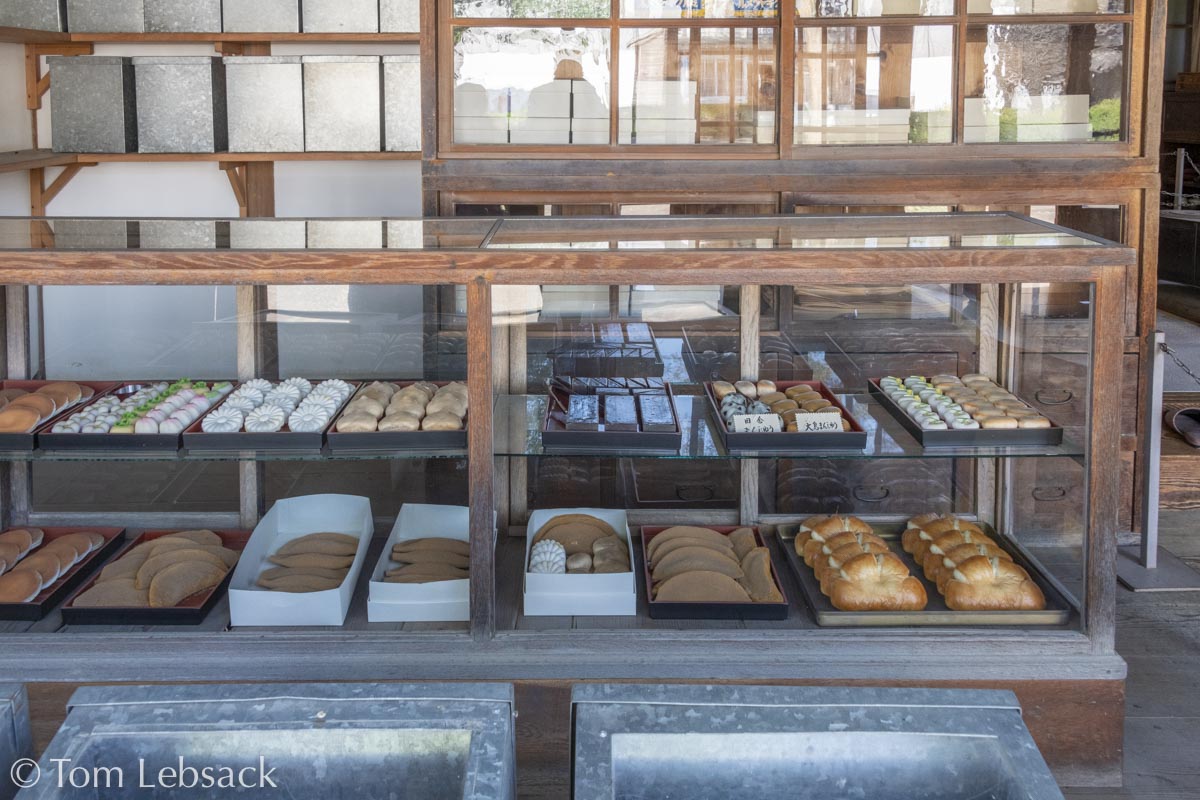
Sweet Shop (2513)
Historical Village (2516)
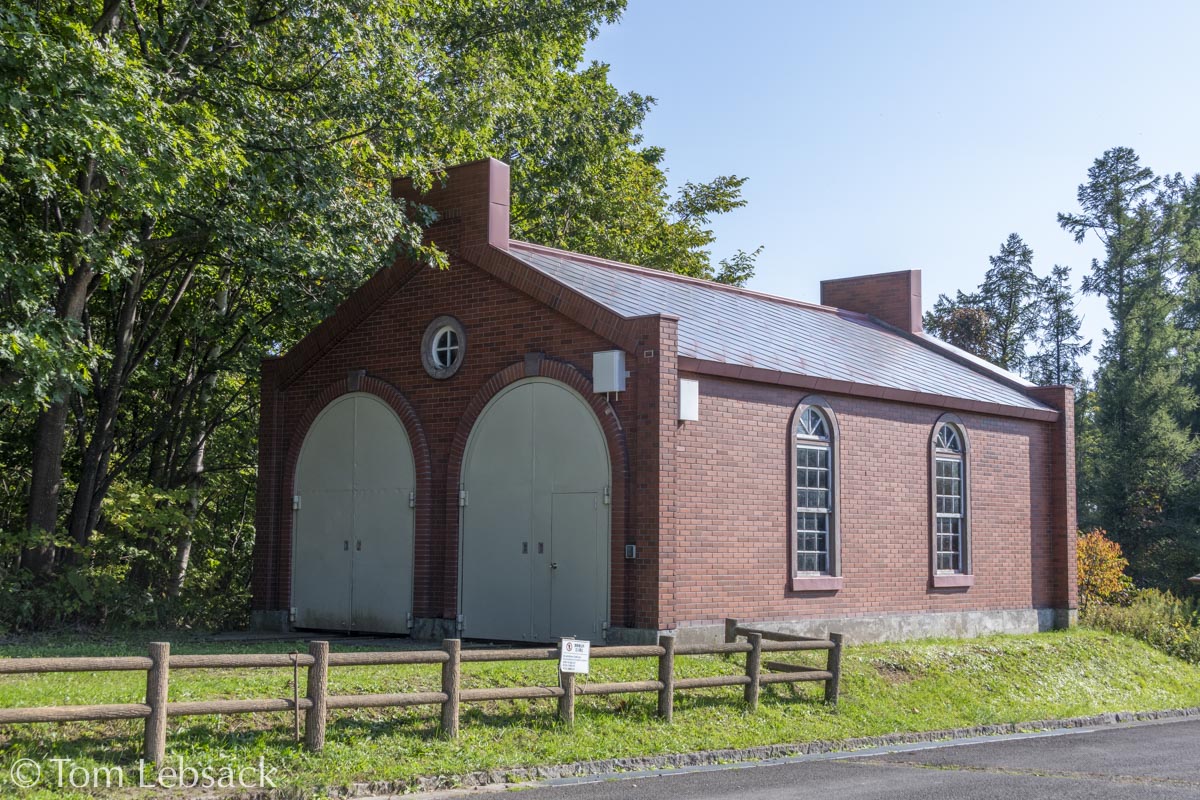
Trolley Barn (2528)
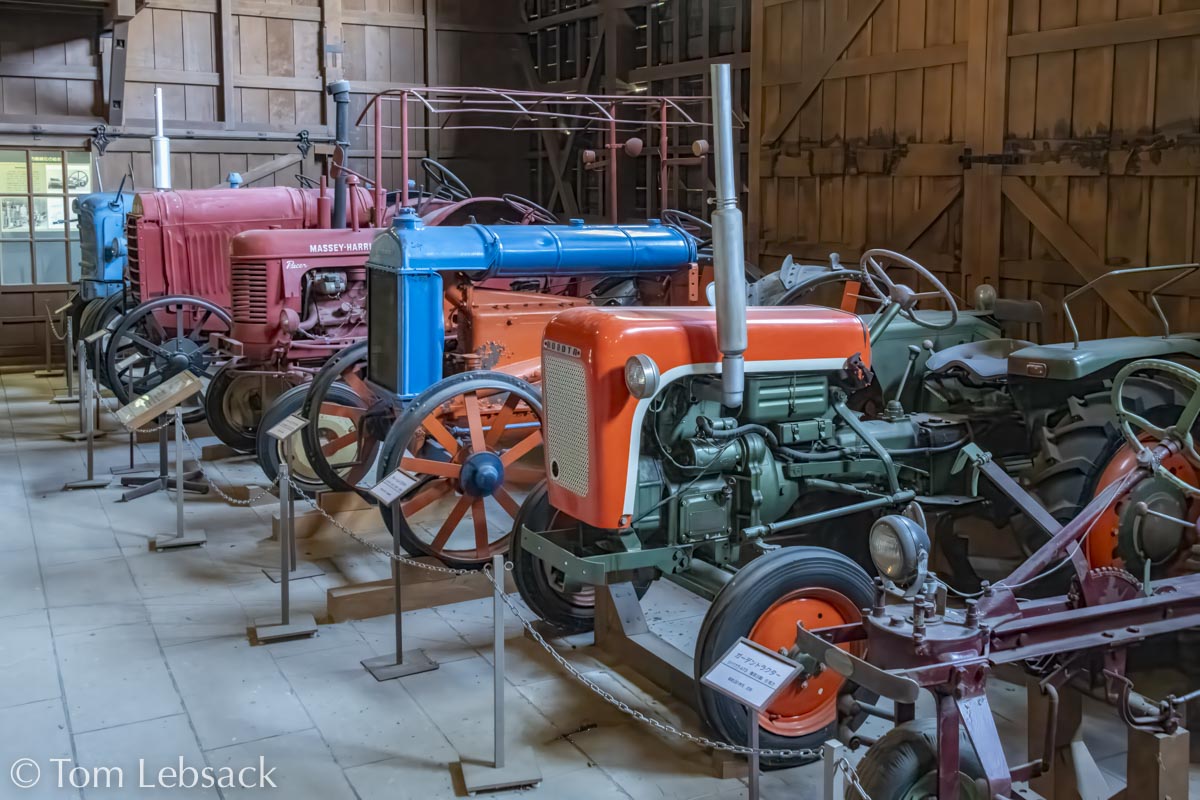
Farm Machinery (2531)
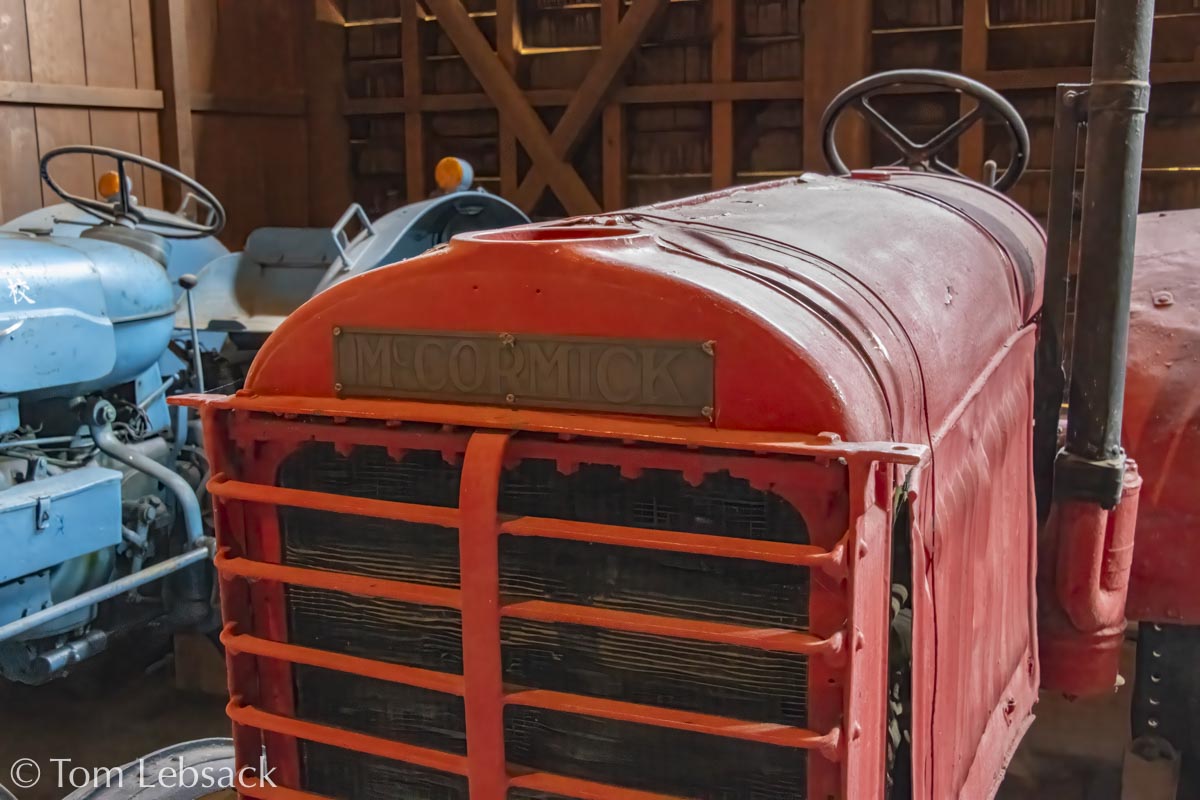
Farm Machinery (2534)
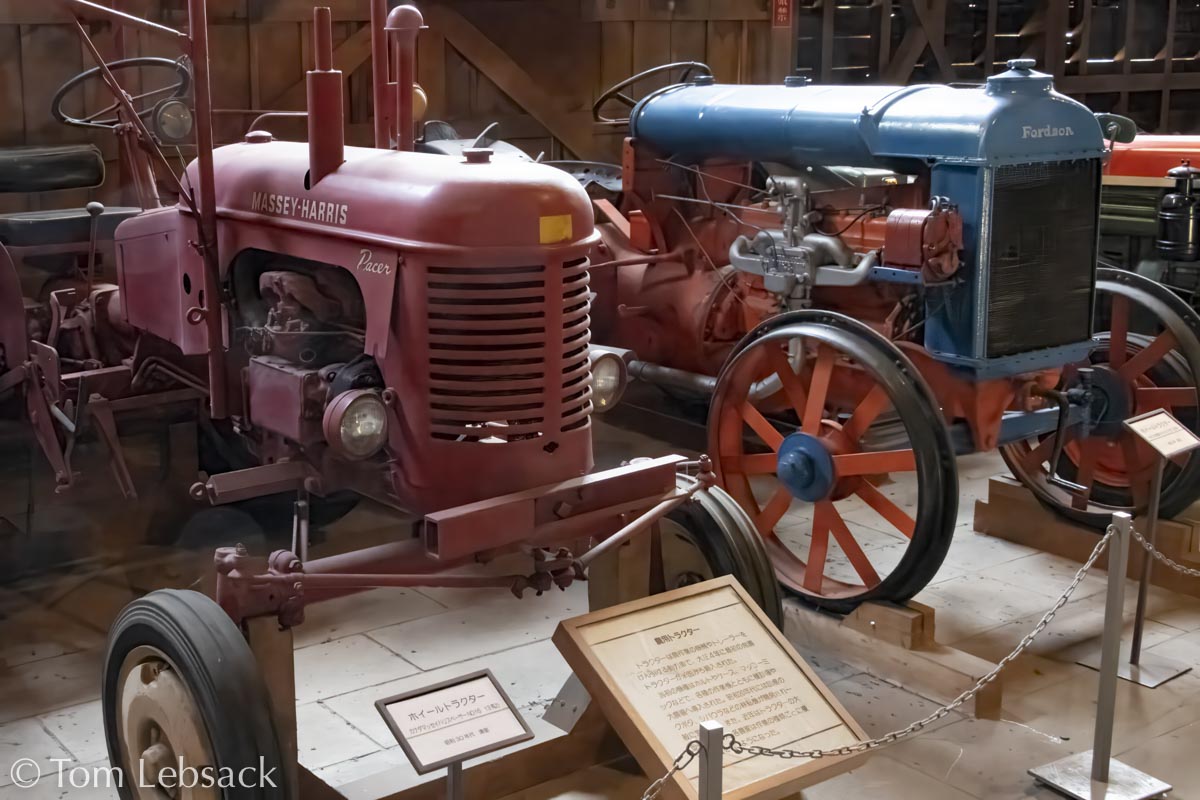
Farm Machinery (2535)
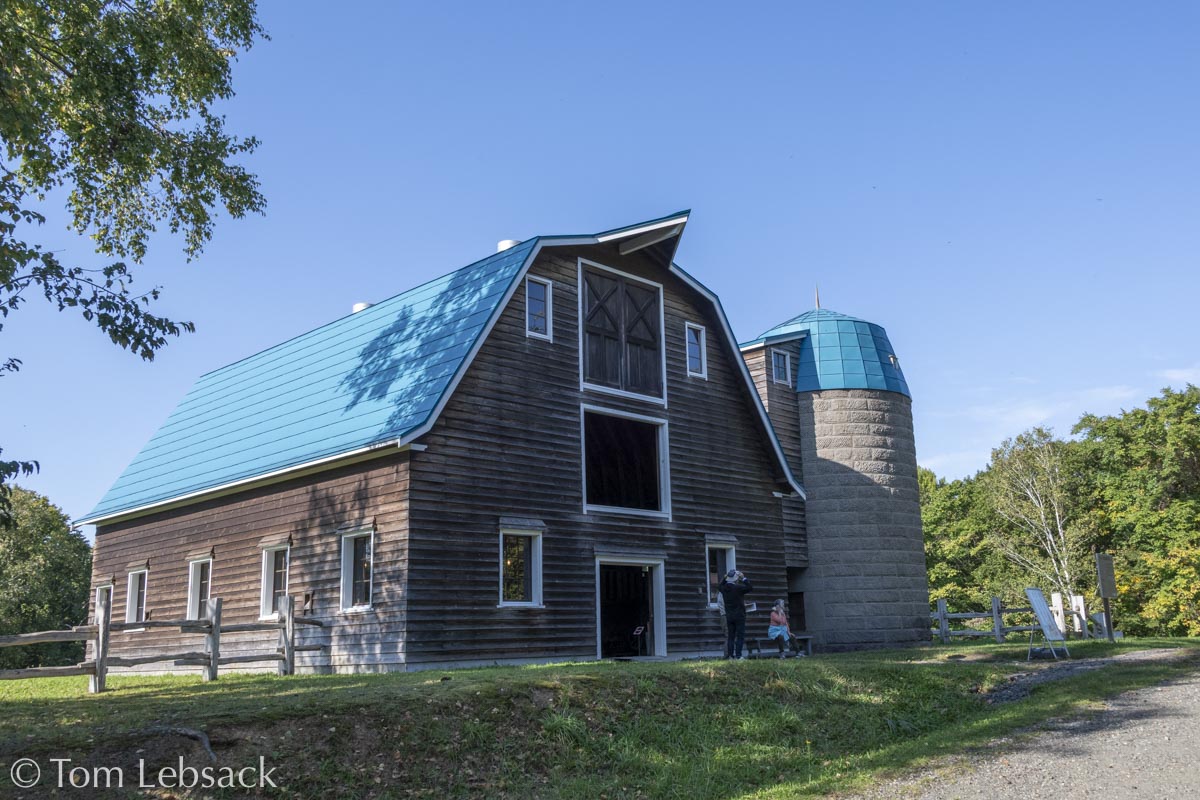
Dairy Barn (2540)
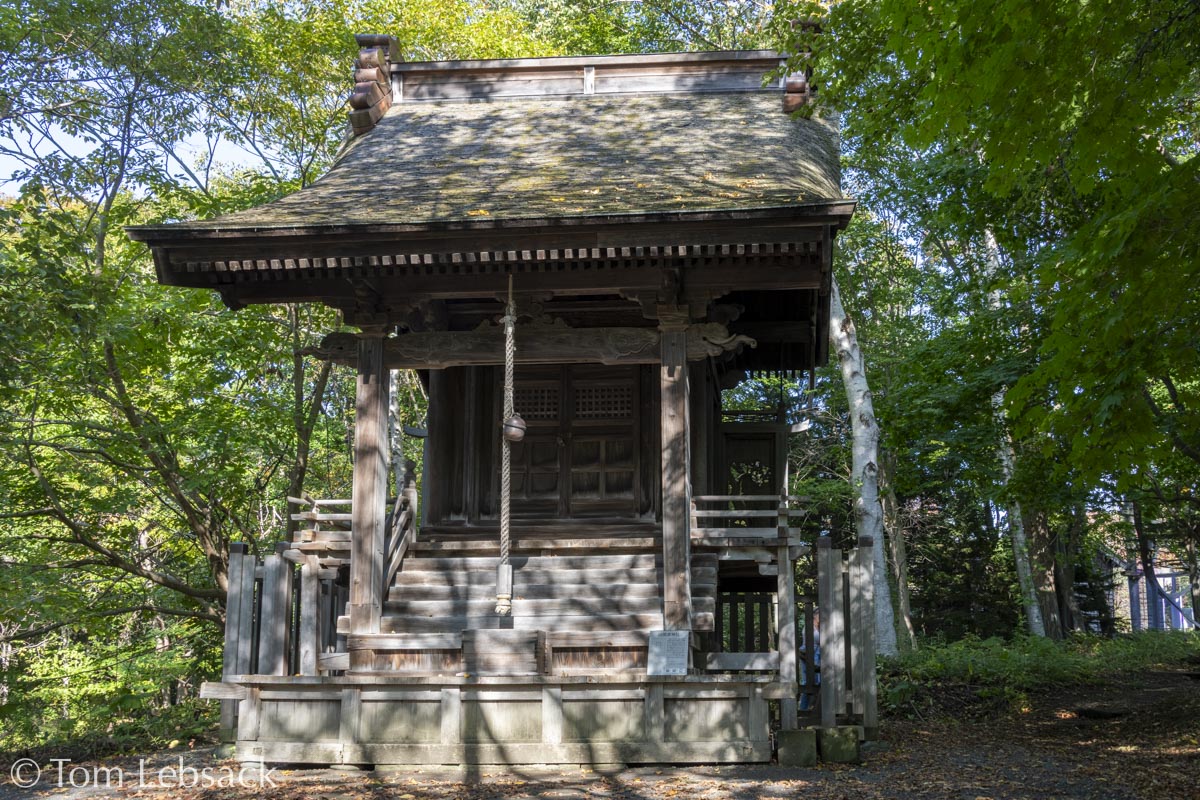
Shinto Shrine (2545)
© Tom Lebsack