North Pacific Passage to Japan
Ocean Cruise from Vancouver to Tokyo via Alaska
Palaces, Shrines and Temples
Our first day in Tokyo we spent on a tour of the city on a bus ending up at the Imperial Palace. Our second day we did another tour, going to the Meiji Shrine, having a traditional Japanese lunch at a large event venue, followed by another trip to the Imperial Palace then Asakusa Shrine. We finally ended up at our hotel, the ANA Intercontinental in Akasaka, near Roppongi.
Imperial Palace
We visited the Imperial Palace twice, once with the included tour from the ship and the next day on the included tour with our two-day extension. Entry into the inner palace grounds isn’t allowed, so we could only view the outer gates and East Garden. The palace is the former Edo Castle that was vacated by the last shogun in 1868 at the time of the Meiji Restoration. It has been the residence of the emperors since that time.
There is a large statue on the grounds depicting Kusunoki Masashige, remembered as the ideal loyal samurai. In 1333 he fought for Emperor Go-Daigo to overthrow the Kamakura shogunate and restore power to the Imperial Court. He remained loyal to the unpopular Emperor Go-Daigo after another shogun, Takauji, began to reverse the restoration three years later. Kusunoki attacked Takauji at the command of the Emperor, an act of obedience sure to result in defeat, and he performed seppuku at in 1336. Kusunoki later became an inspiration to World War II kamikaze, who saw themselves as his spiritual heirs in sacrificing their lives for the Emperor.
When we lived in Japan in the 1980s, we visited the Palace as part of the commemoration of Emperor Hirohito’s 83rd birthday. There were huge crowds and while we probably weren't the only foreigners, we saw no others. The photo below shows the Emperor, the Empress Nagako and their son, Prince Akihito who became emperor in 1989. He abdicated in 2019 in favor of his son.
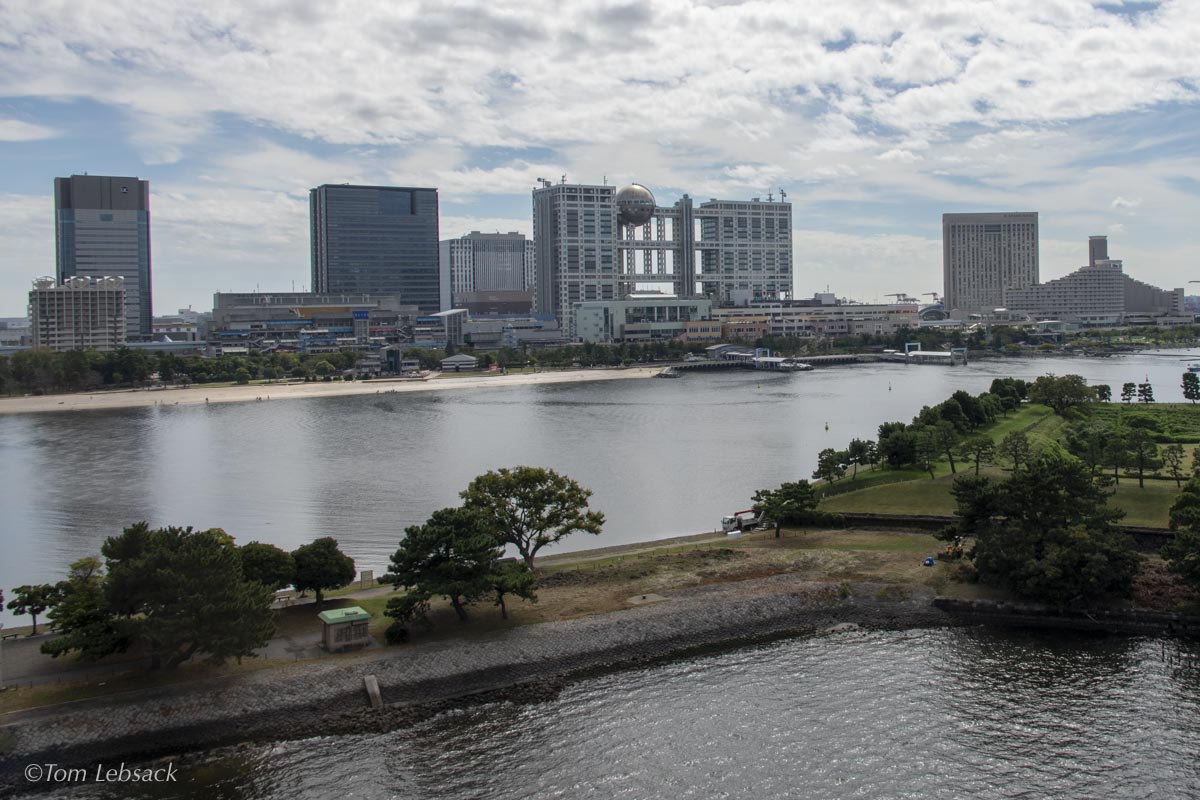
Crossing the Rainbow Bridge from the port area into downtown (2760)
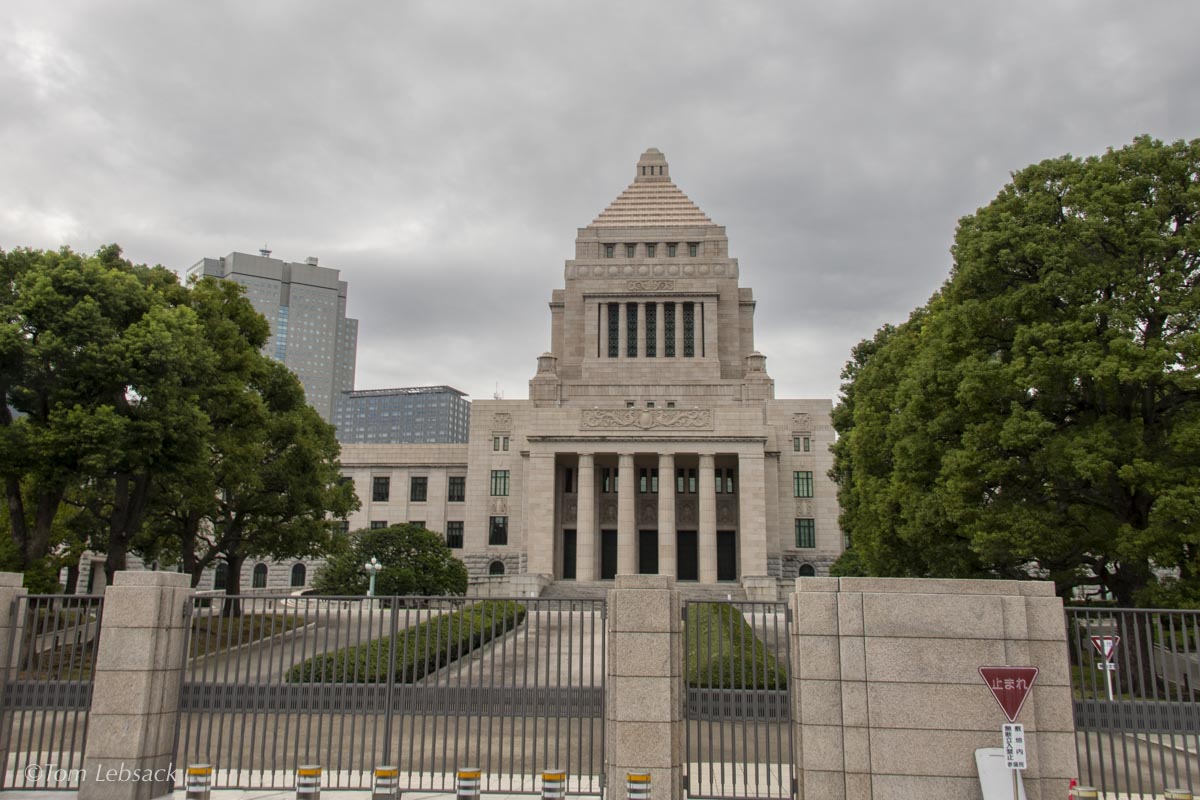
Japan Diet Building (Parliament) (2761)

Kusunoki Masahige, Samurai warrior led revolt against Shogun (2768)
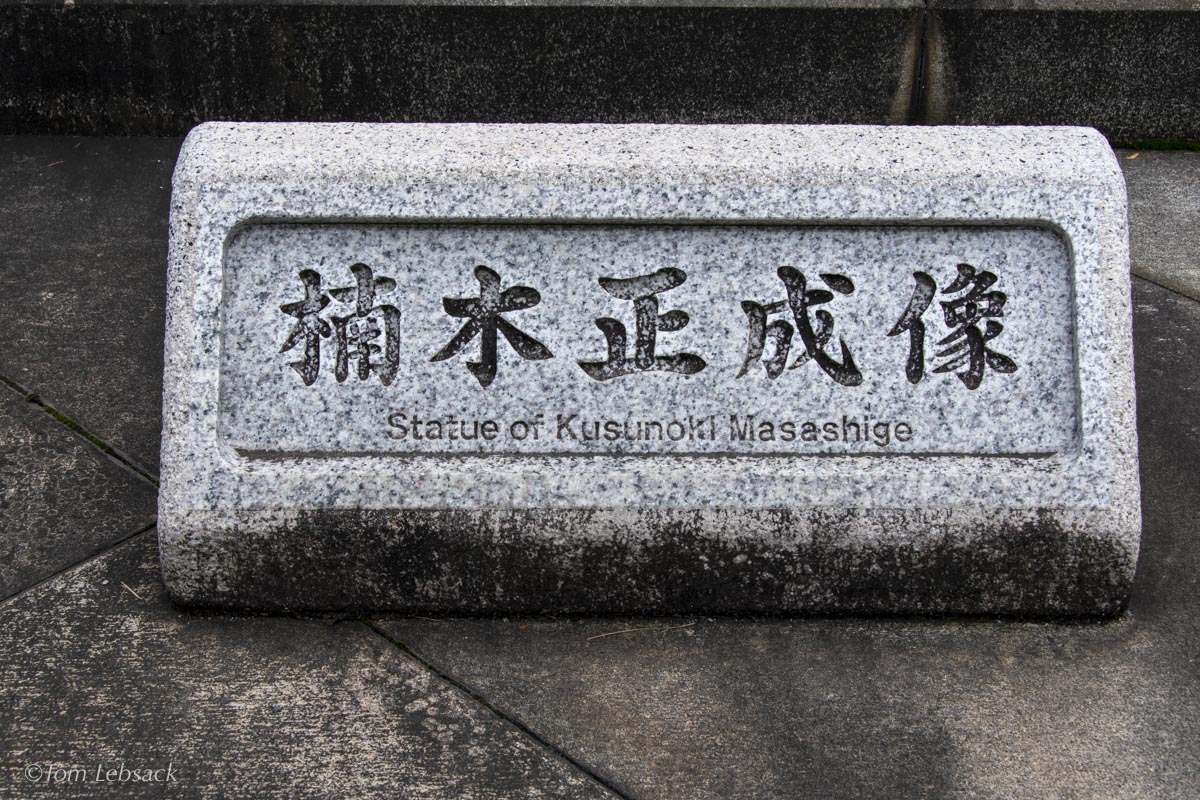
Revolt led to restoration of Emperor in 1337 (2795)
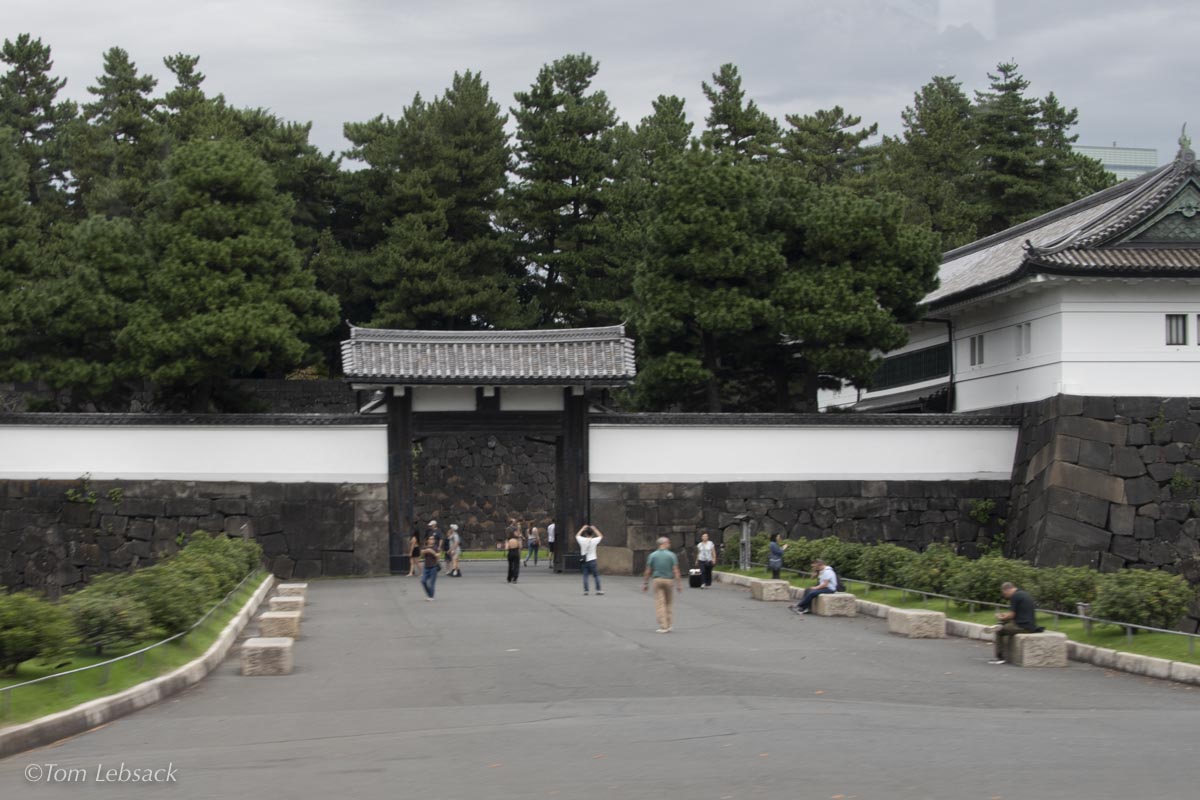
Imperial Palace Gate (2764)
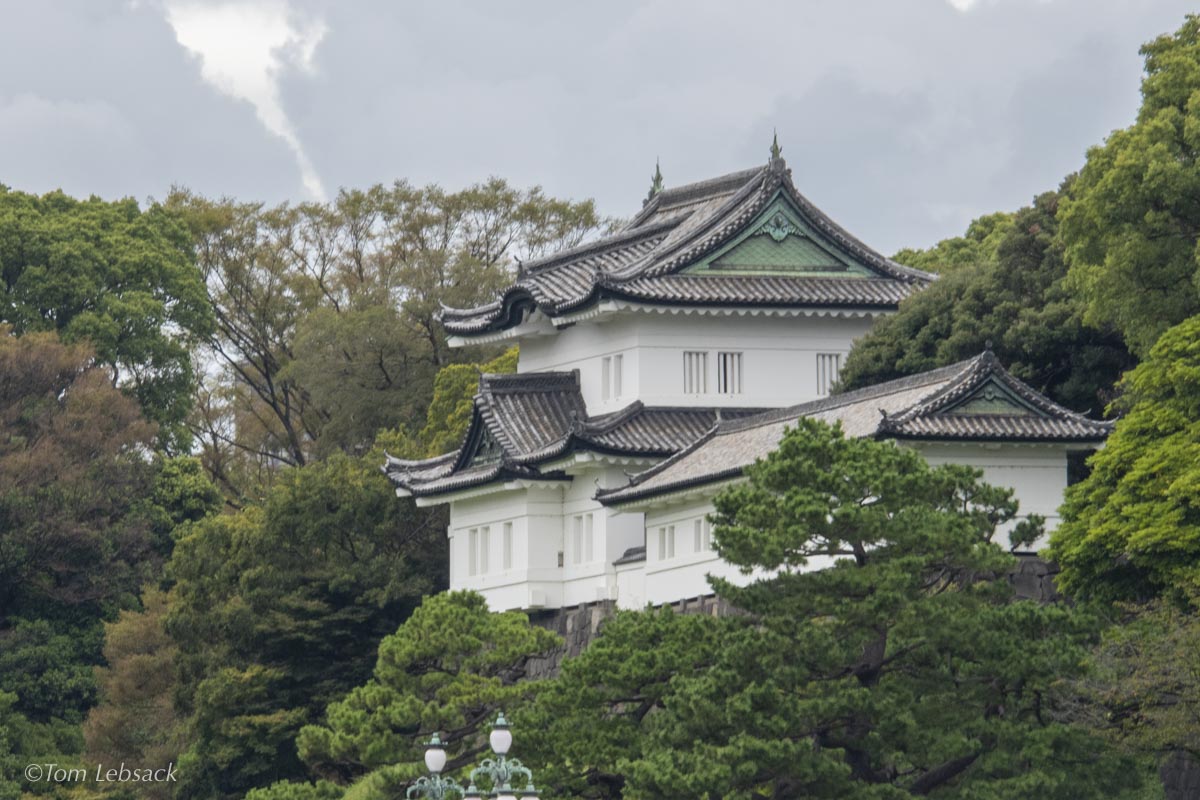
Imperial Palace (2772)
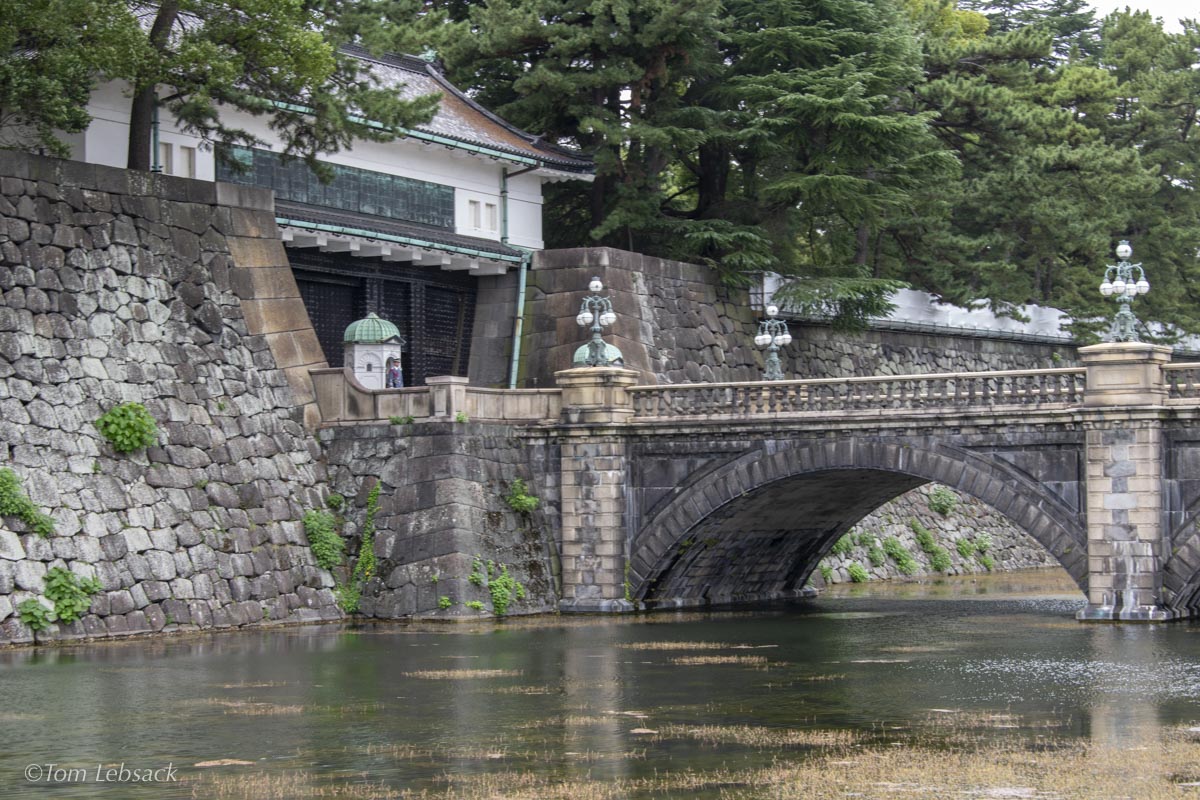
Imperial Palace (2775)
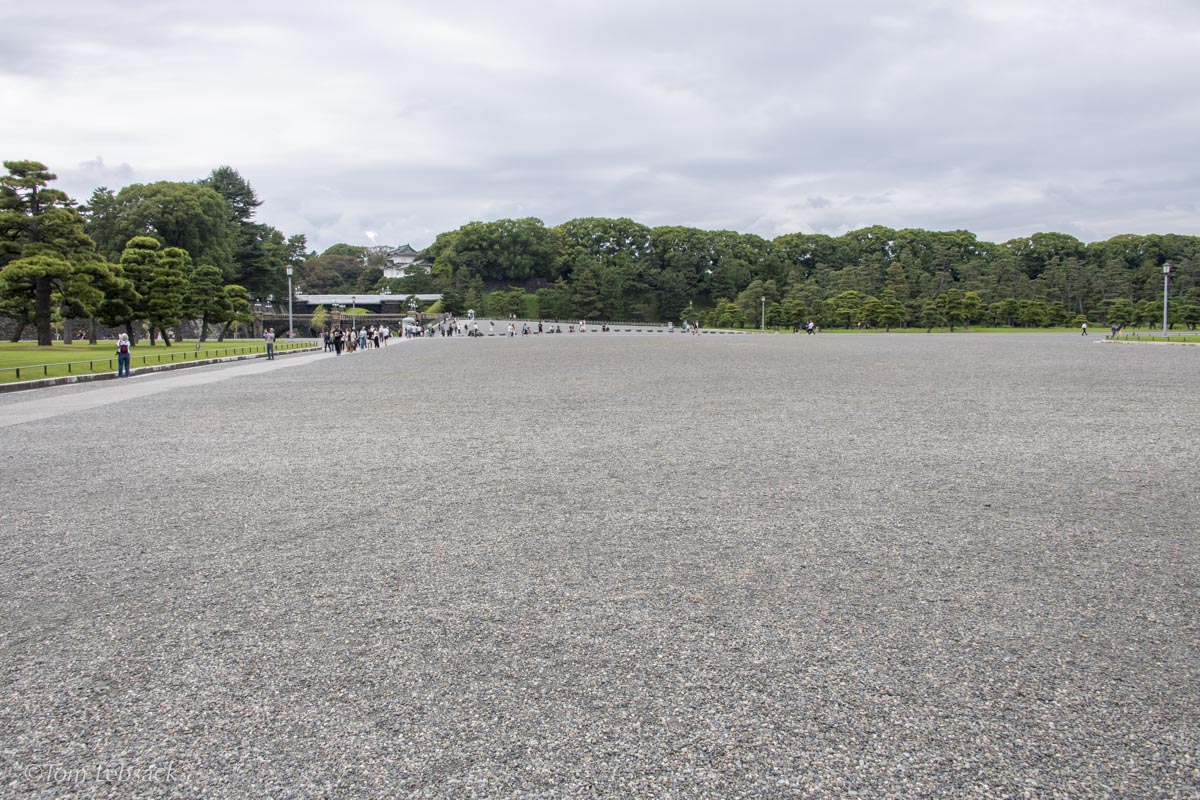
Imperial Palace (2771)
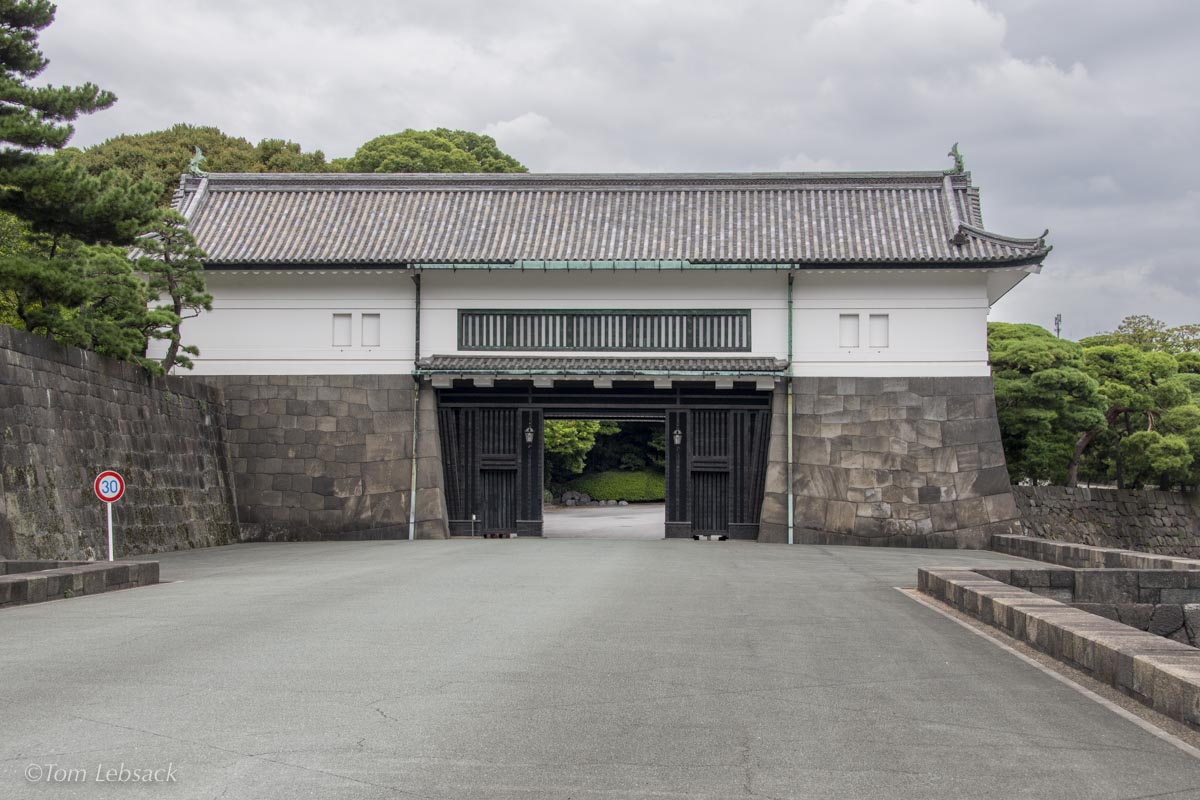
Imperial Palace (2781)
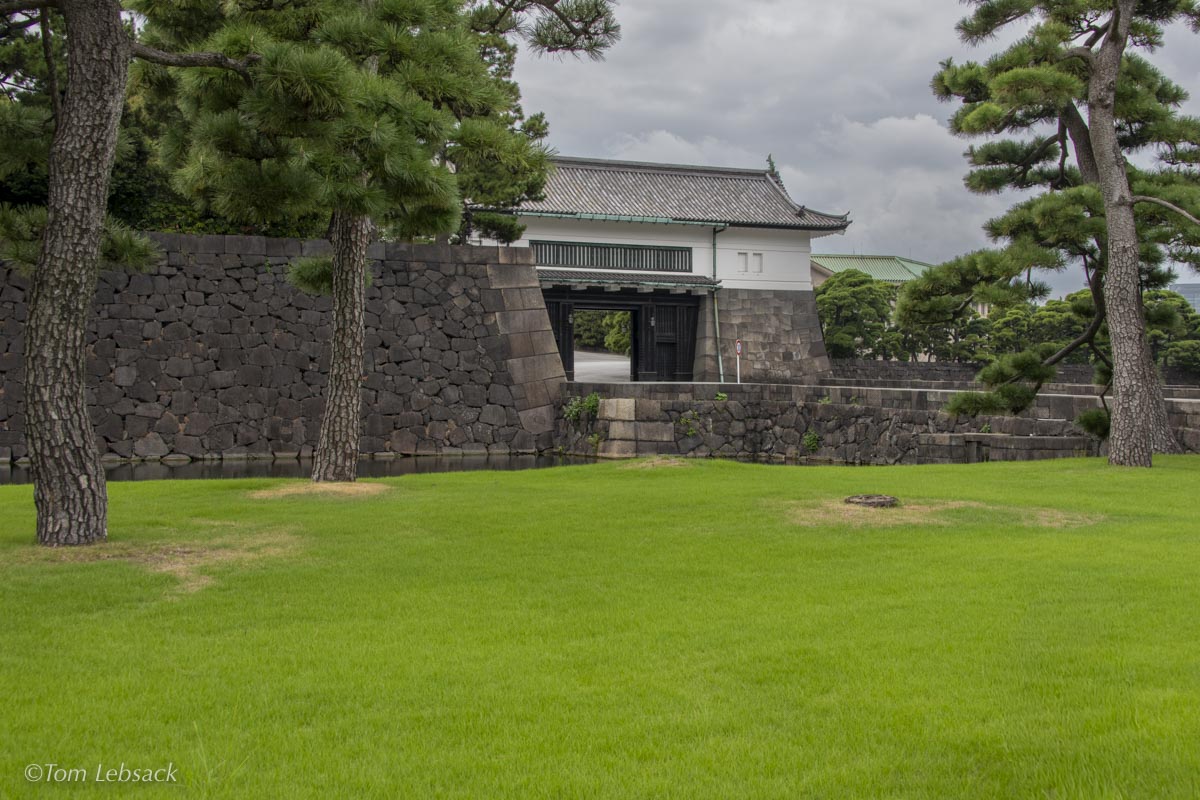
Imperial Palace (2784)
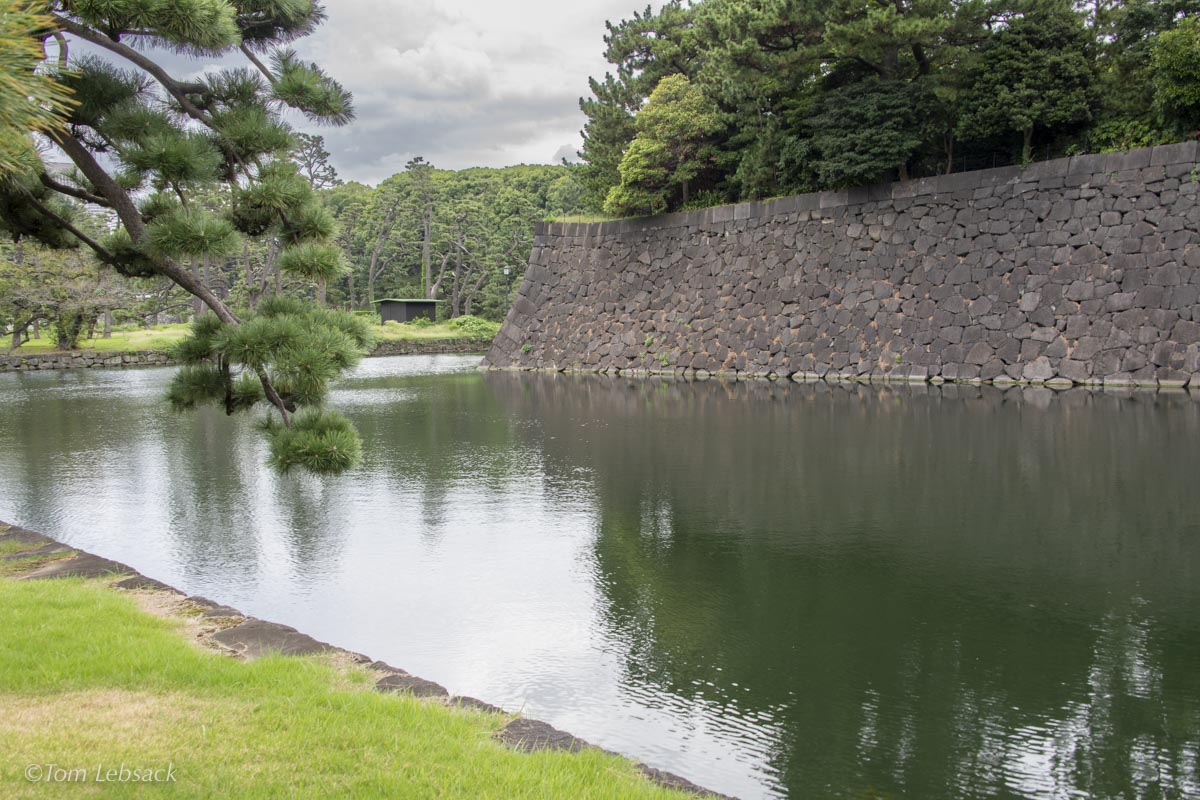
Outer Moat, Imperial Palace (2782)
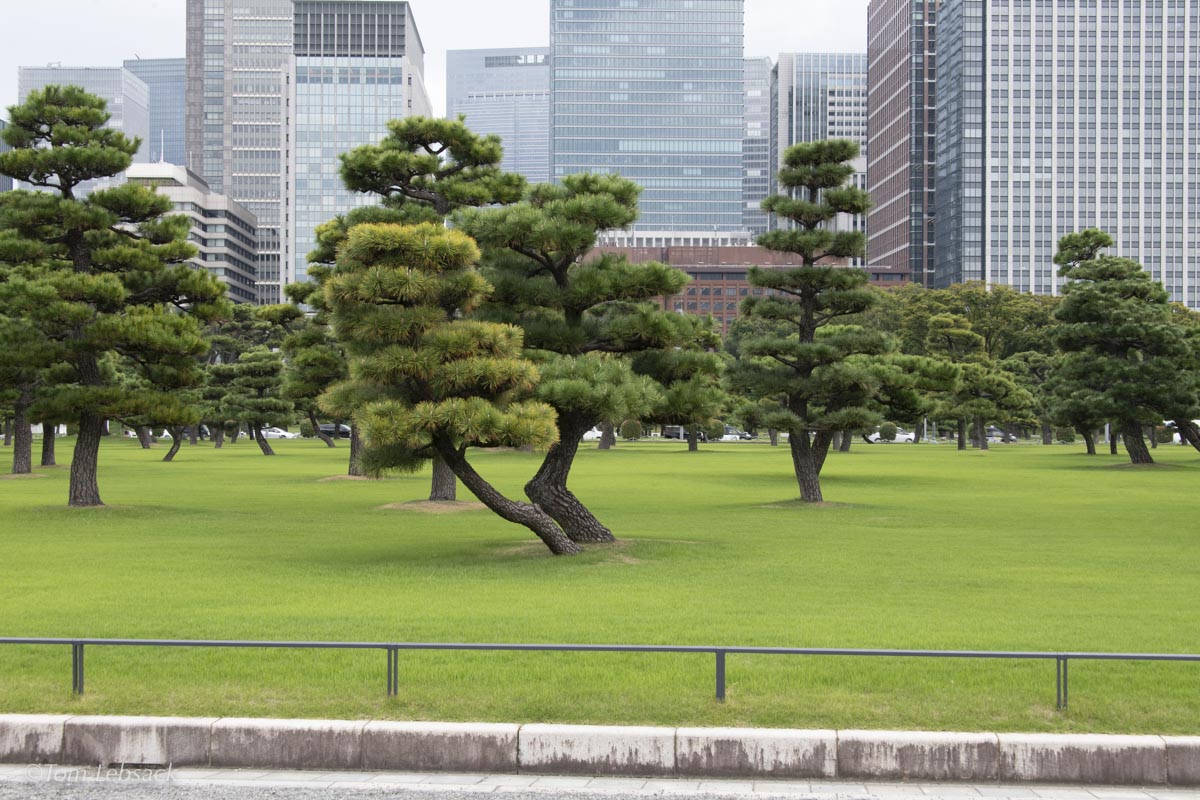
Pine Trees in East Garden, Imperial Palace (2790)
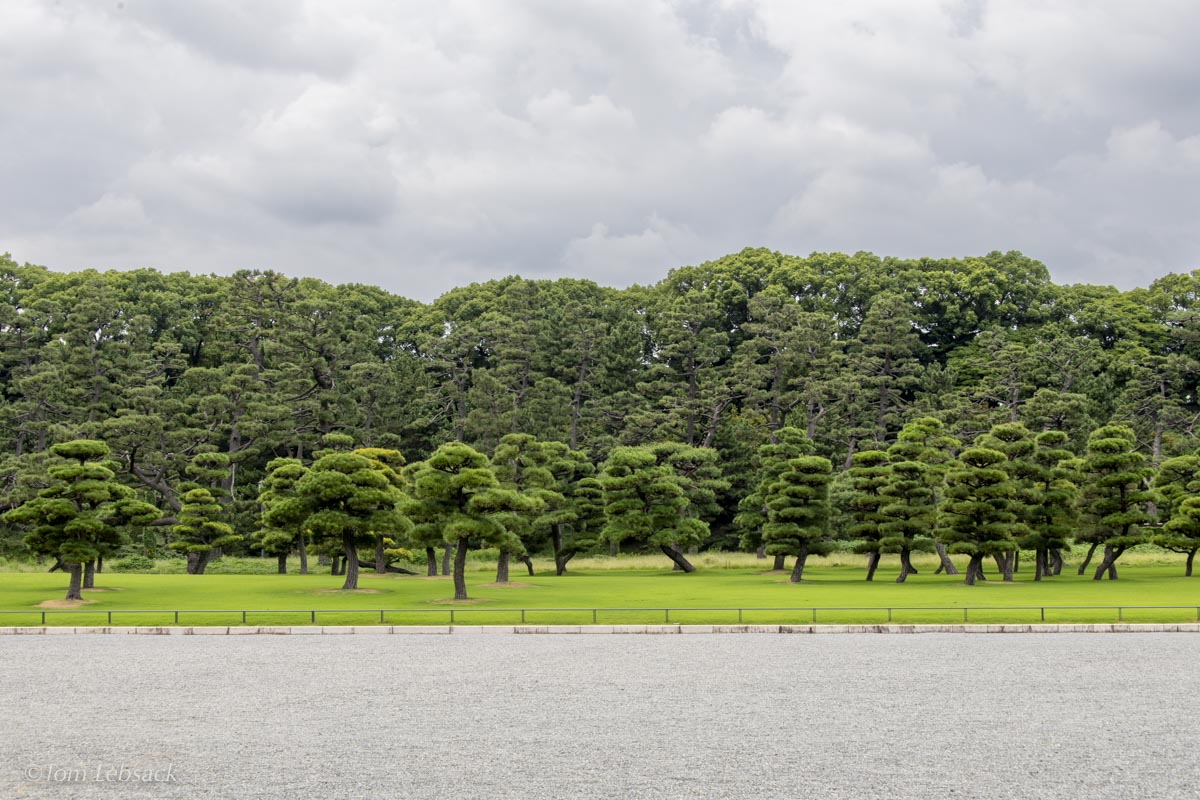
Pine Trees in East Garden, Imperial Palace (2792)
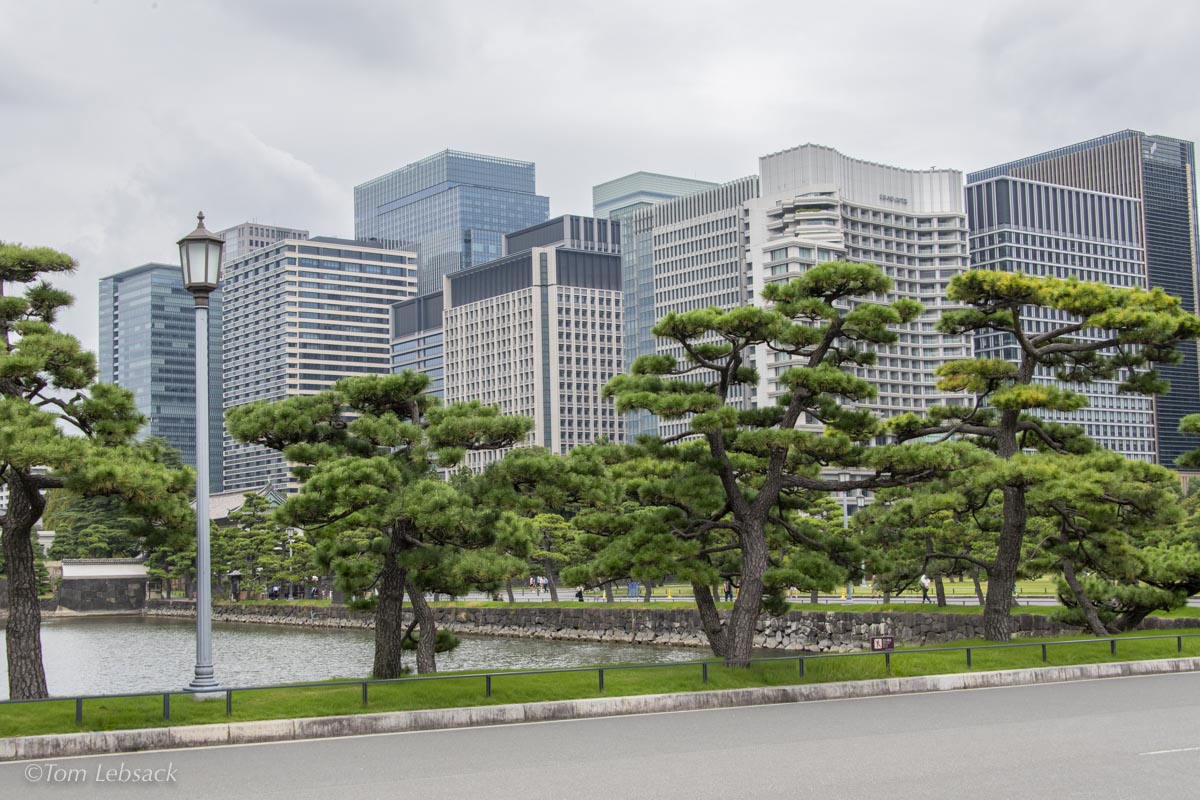
Downtown skyline from Imperial Palace (2788)
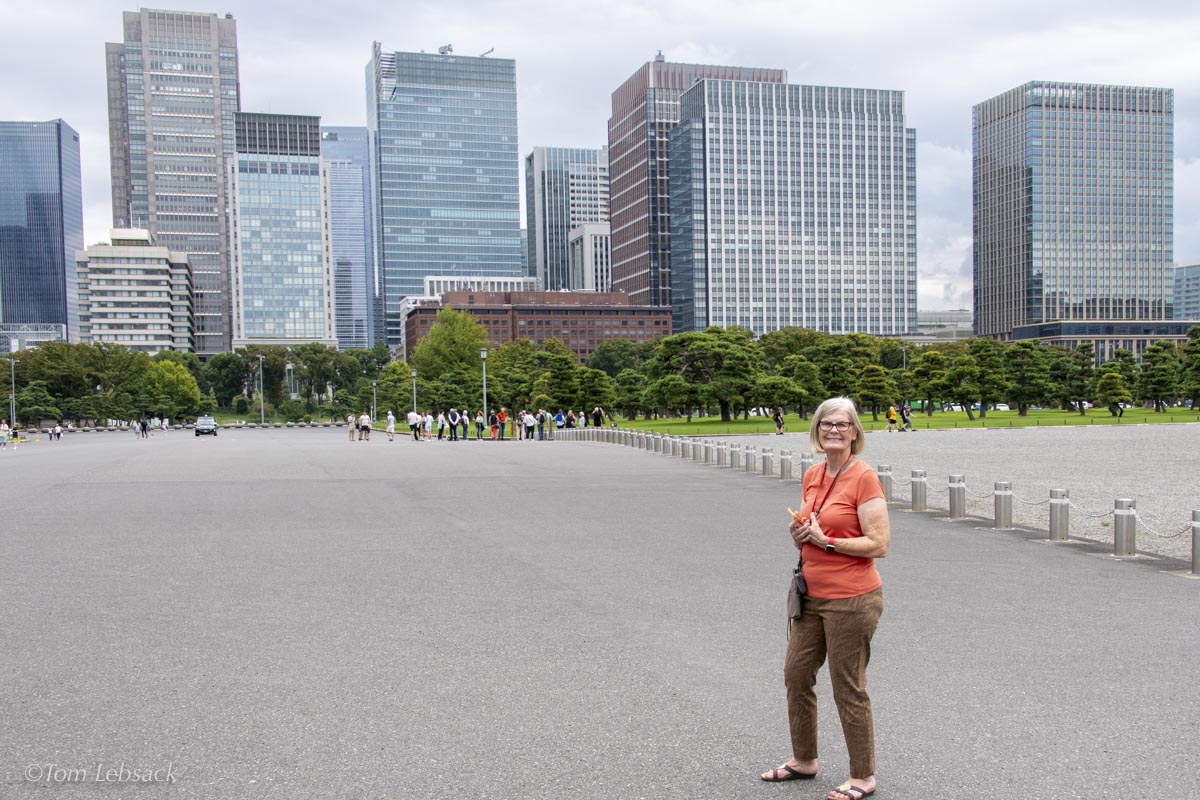
Downtown skyline from Imperial Palace (2786)
Guard House, Imperial Palace (2793)
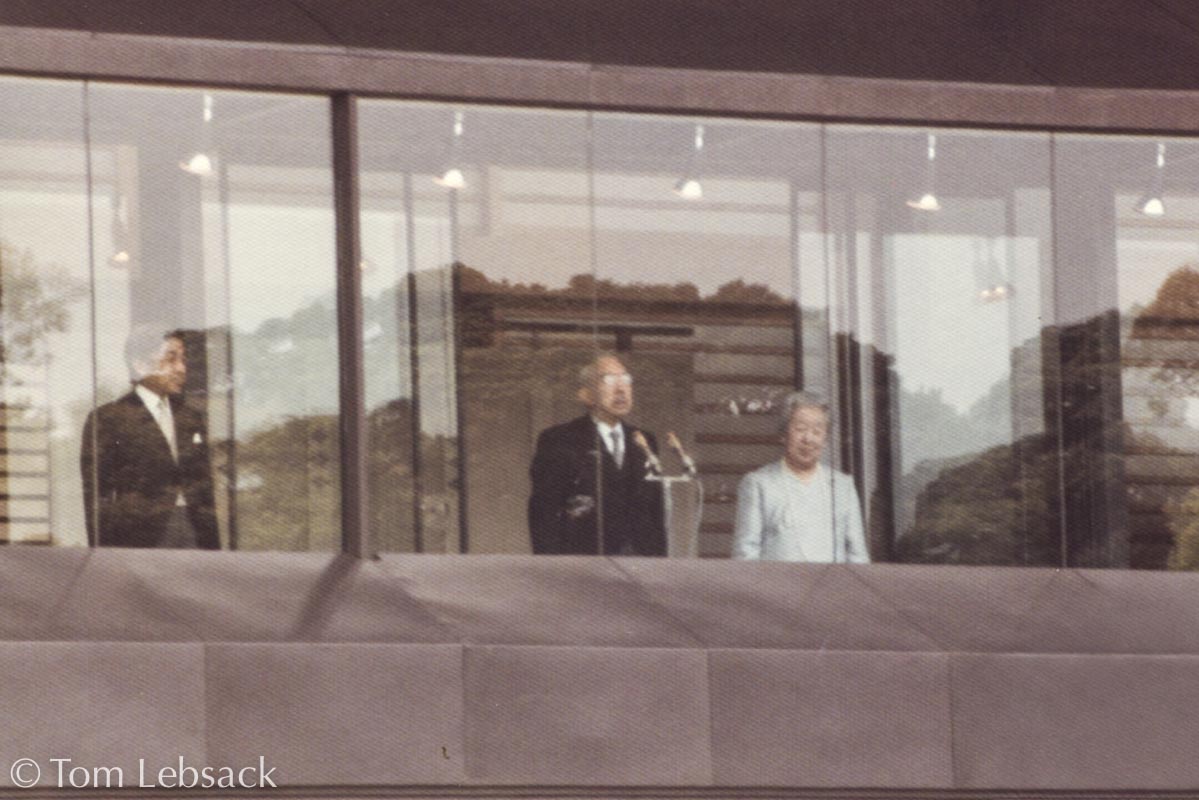
Emperor Hirohito on his 83rd birthday, April 29, 1984
Meiji Shrine
The Meiji Shrine was built in 1920 and is dedicated to the deified spirits of Emperor Meiji and his consort, Empress Shoken. Emperor Meiji was the first emperor of modern Japan. He ascended to the throne in 1867 at the time of the Meiji Restoration when Japan's feudal era came to an end and the emperor was restored to power. During the Meiji Period, Japan modernized, joining the world's major powers by the time Emperor Meiji passed away in 1912.
The small limousine in front of the shrine is provided by the Meiji Kenenkan event venue for use by wedding couples and VIPs. It is a modified Tokyo JPN taxi, complete with the chryanthemum symbol of the Imperial family.
After a walking tour at the shrine, we went to the nearby Meiji Kinenkan, a very large event venue operated by the shrine for a traditional Japanese lunch.
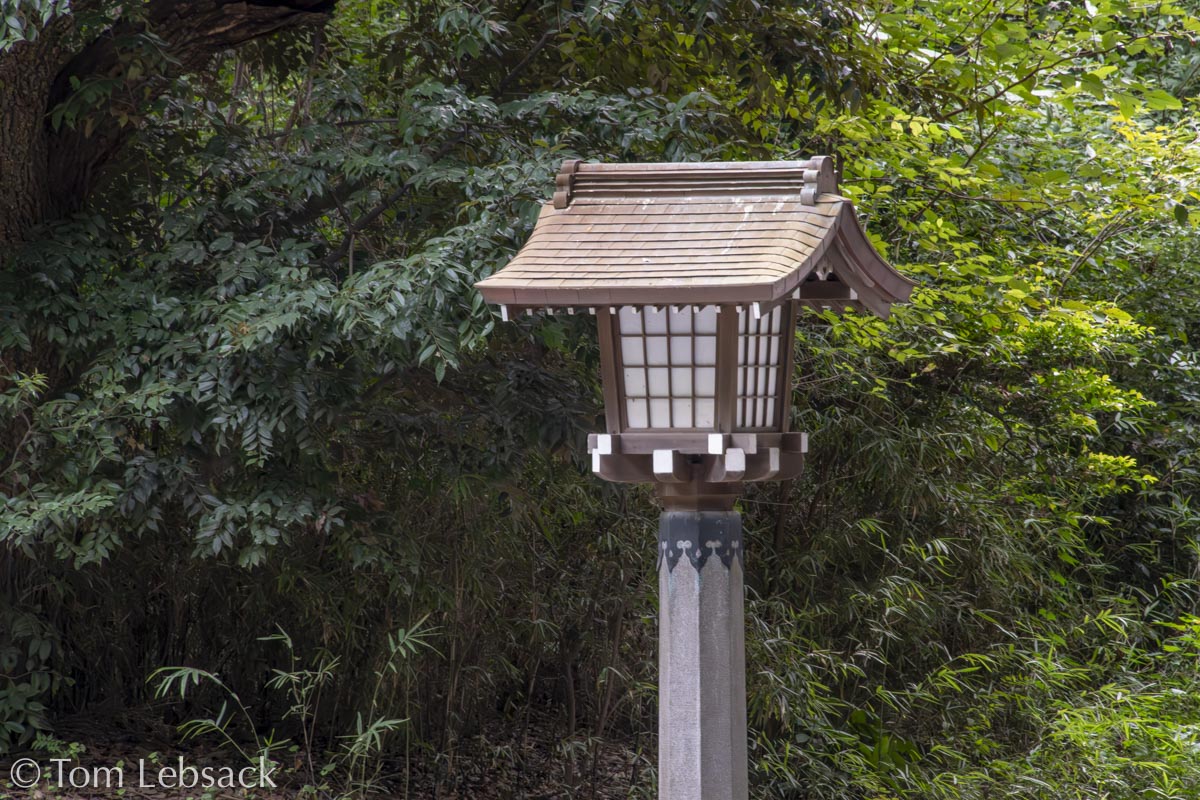
Meiji Shrine (2810)
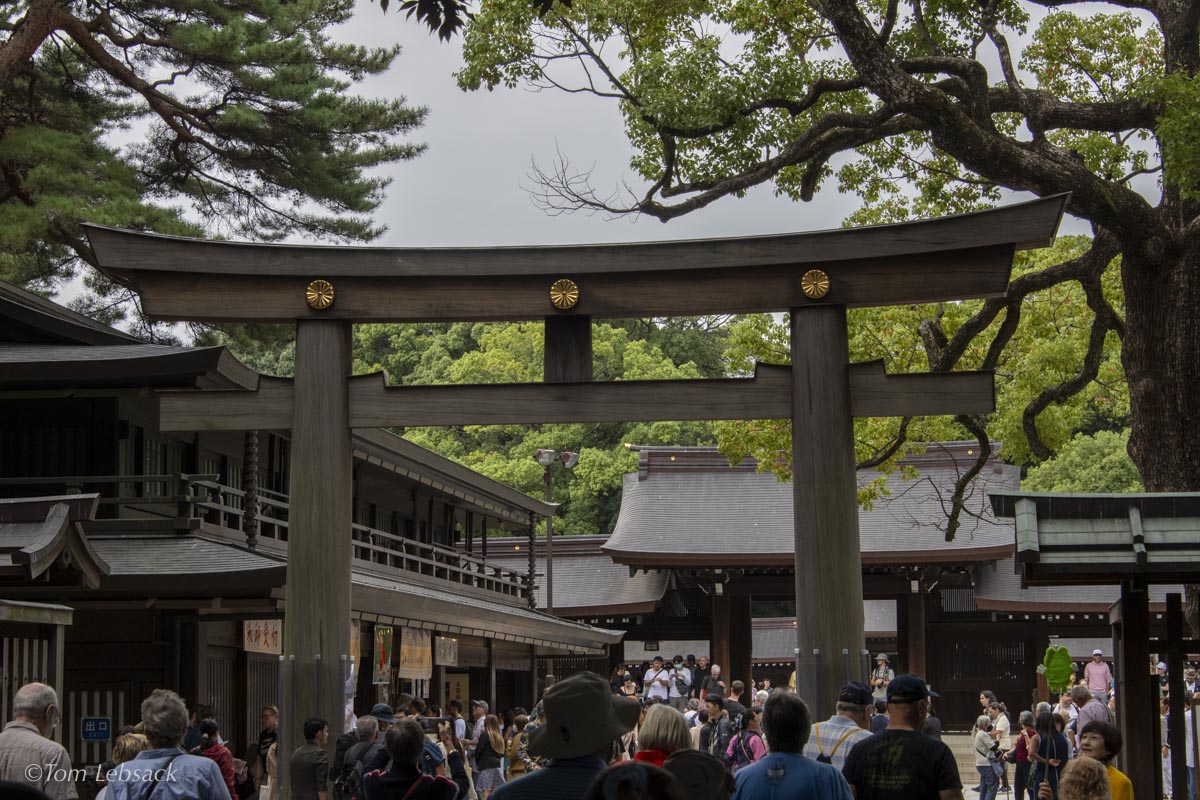
Tori arch with chrysanthemum symbols, Meiji Shrine (2812)
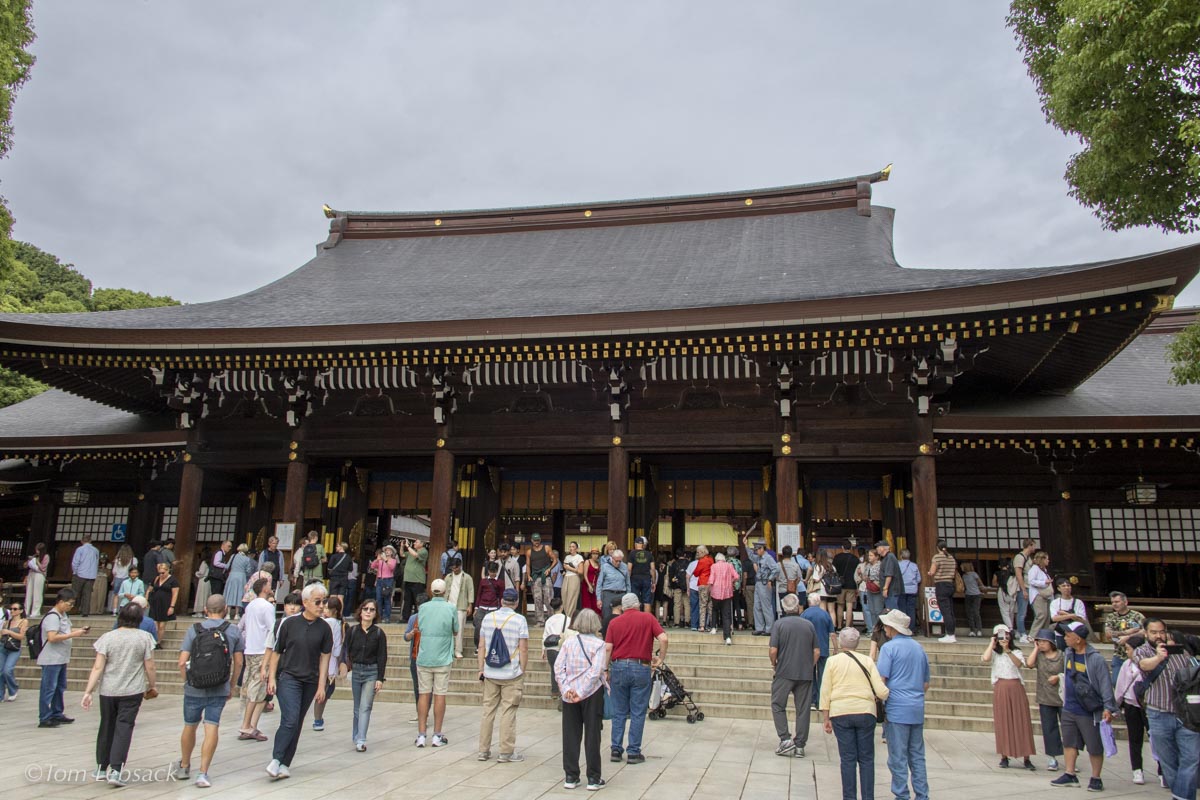
Meiji Shrine (2821)
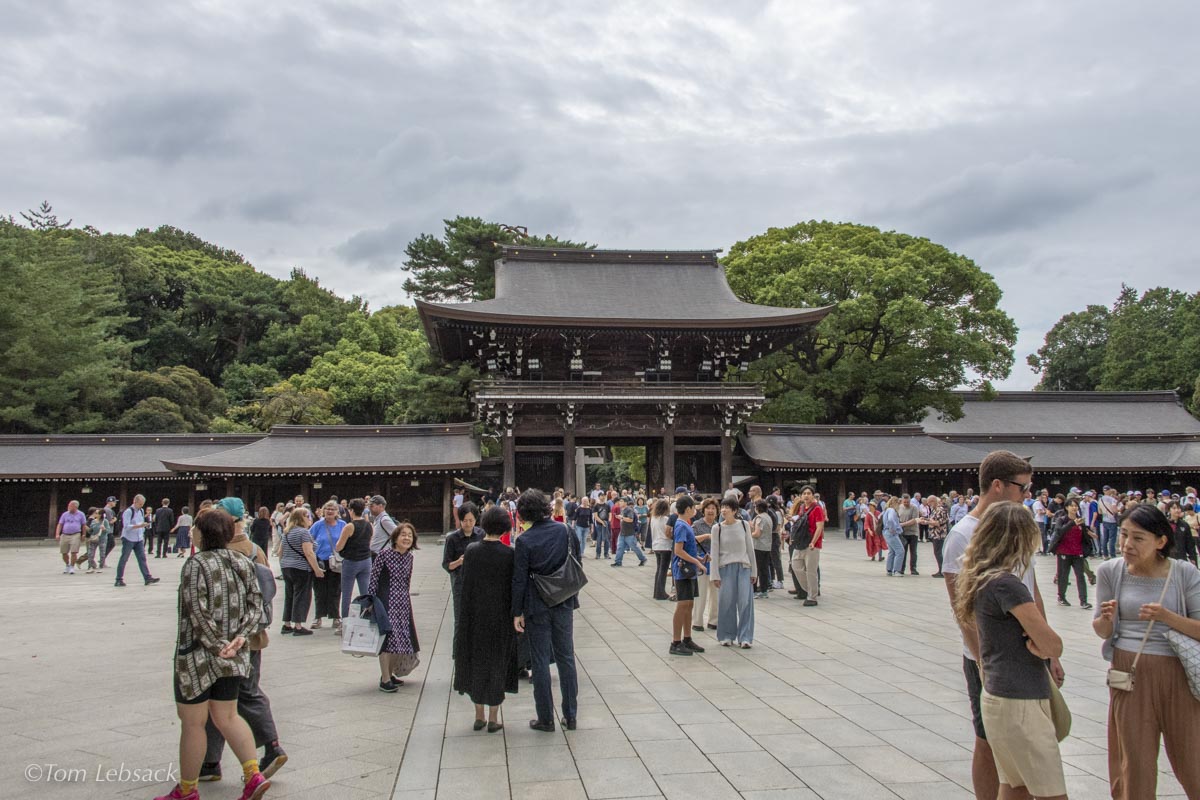
Meiji Shrine (2823)
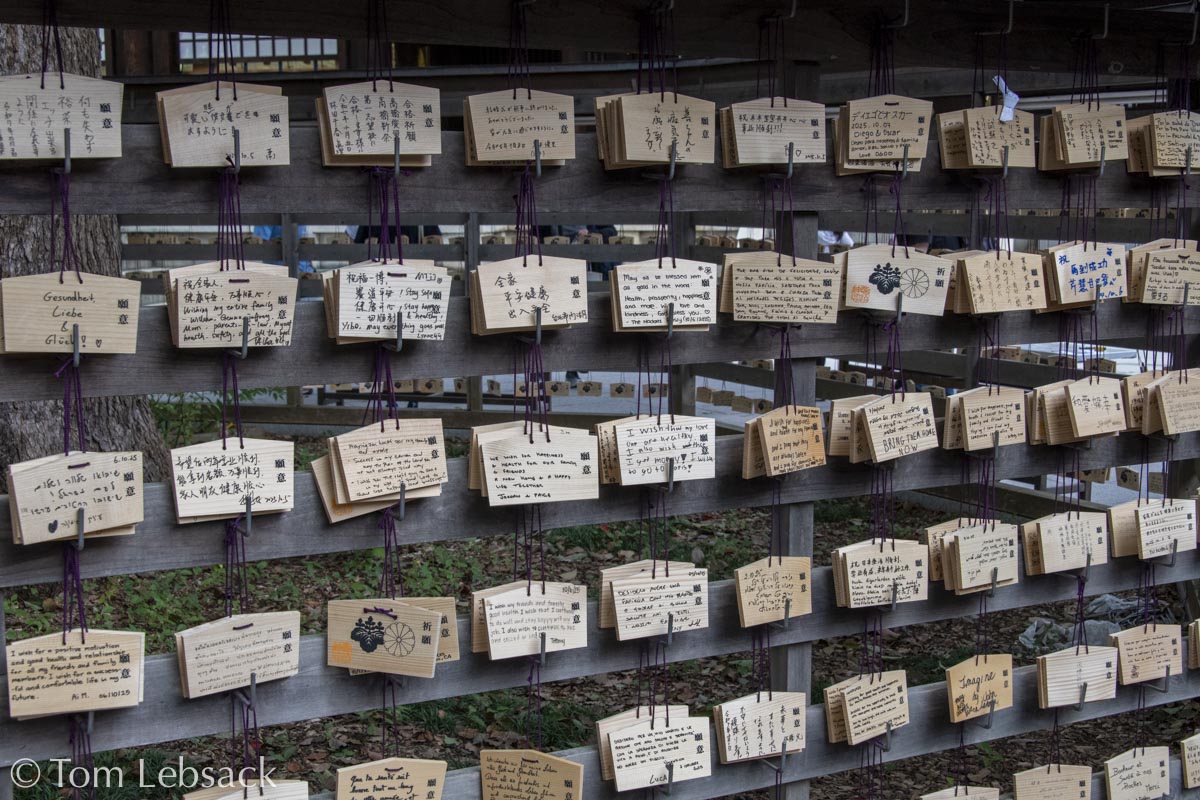
Ema wishing messages, Meiji Shrine (2817)
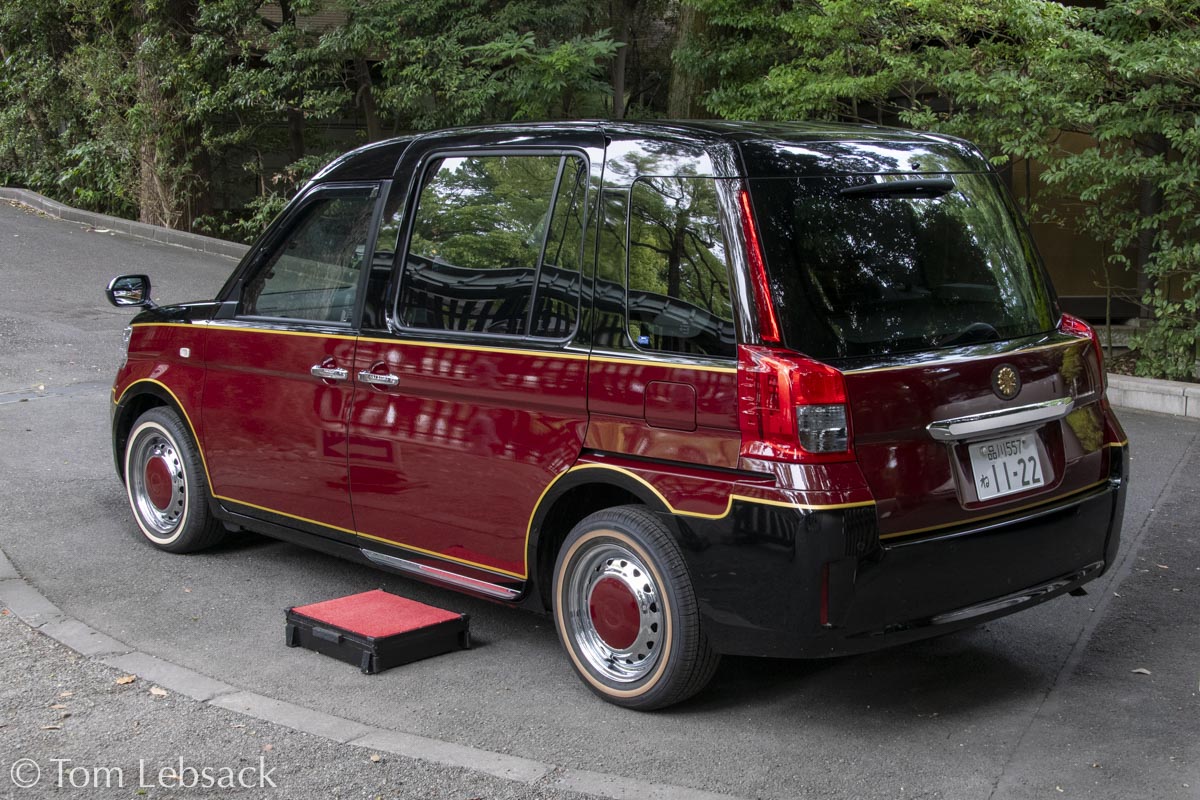
Limo for wedding couples, a modified Tokyo Taxi (2815)
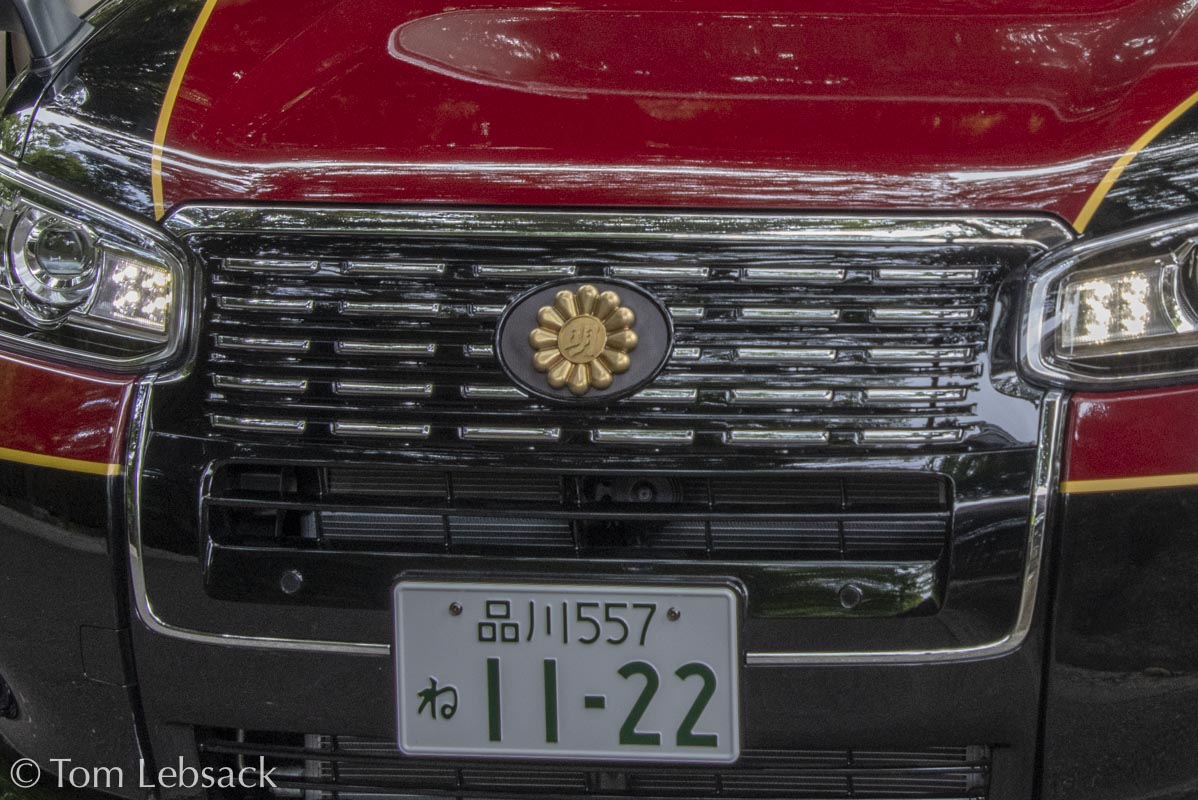
Limo for wedding couples, a modified Tokyo Taxi (2814)
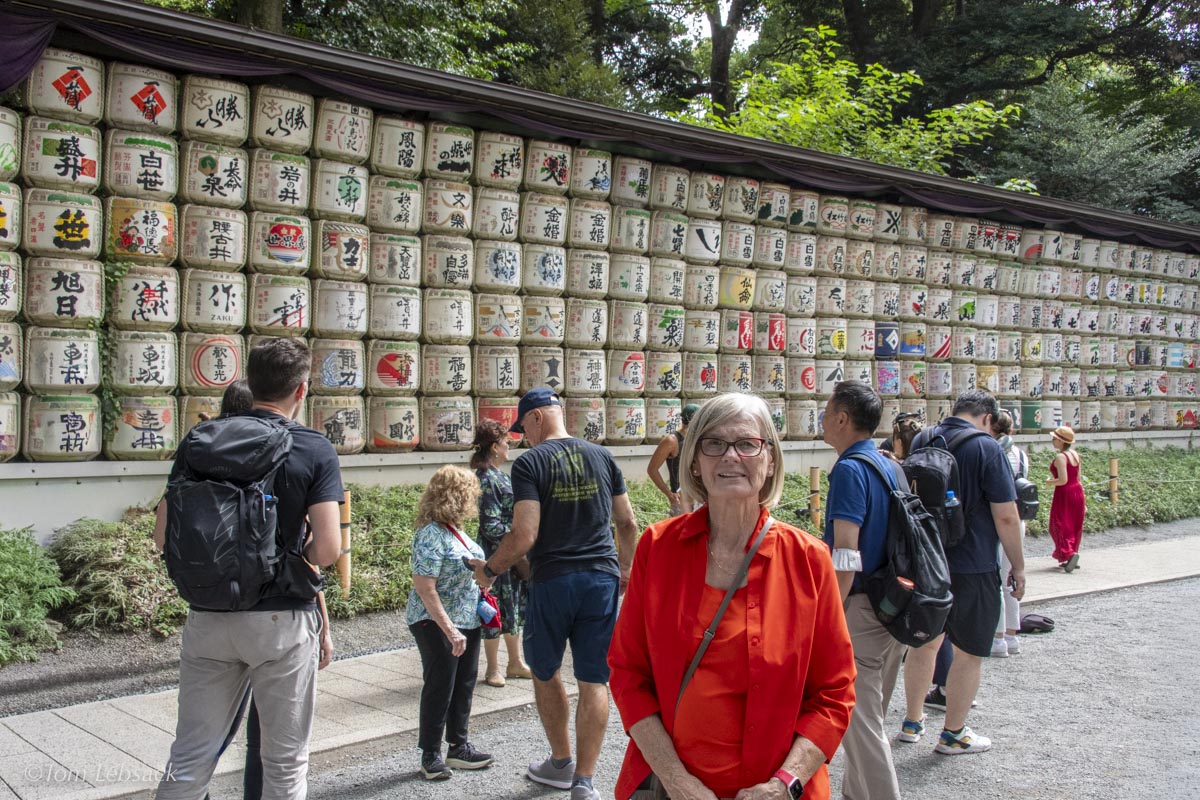
Sake Barrels, Meiji Shrine (2828)
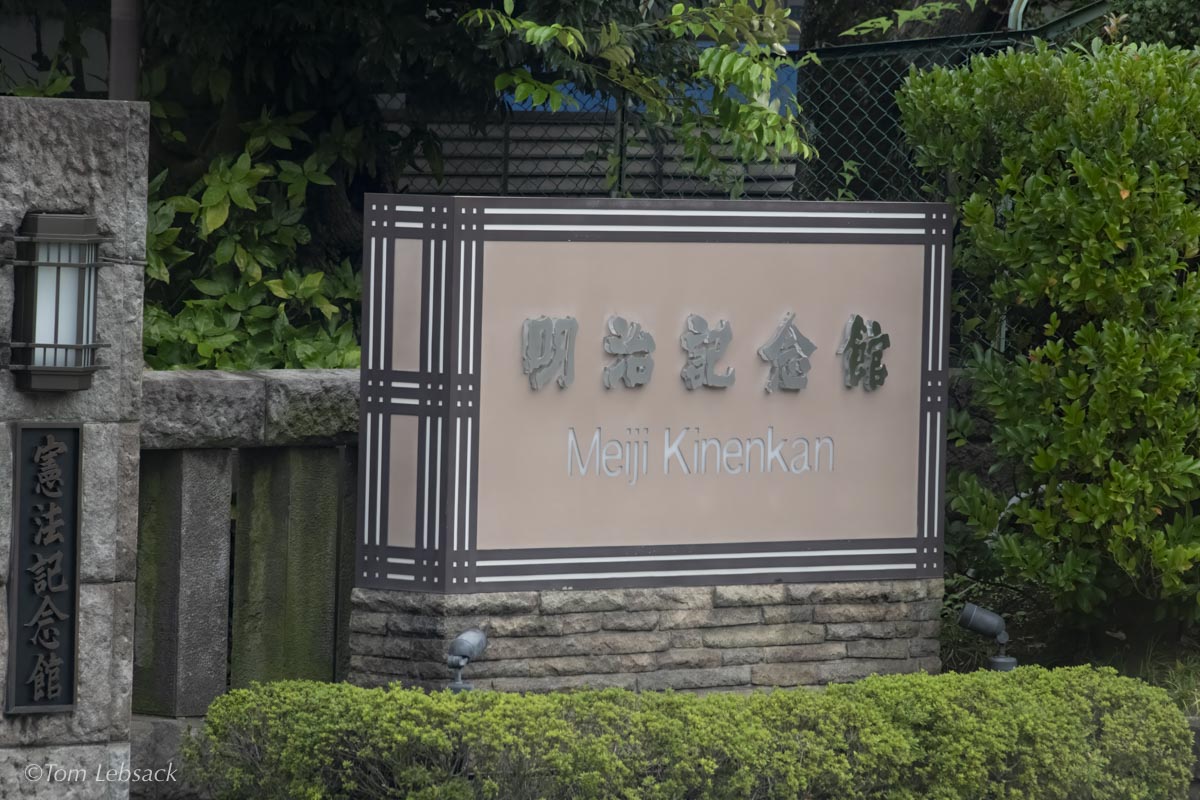
Meiji Kinenkan, our lunch venue (2809)
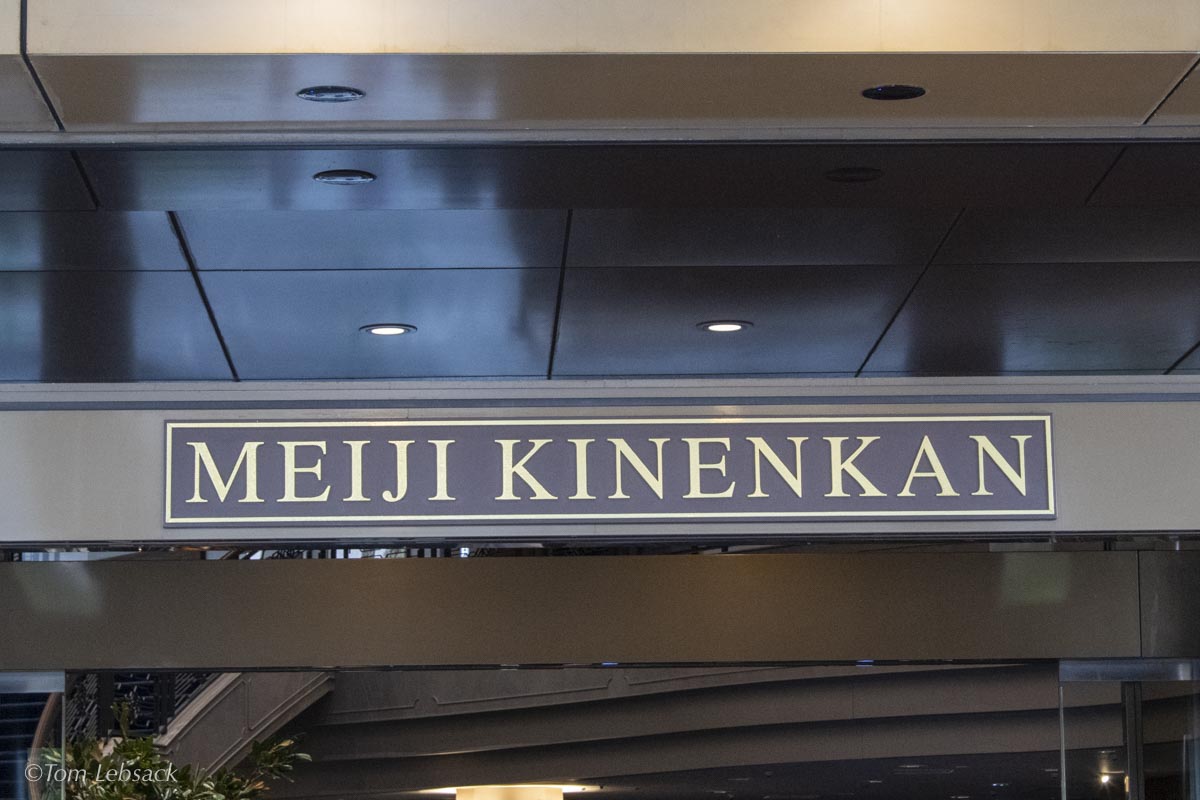
Meiji Kinenkan, our lunch venue (2847)
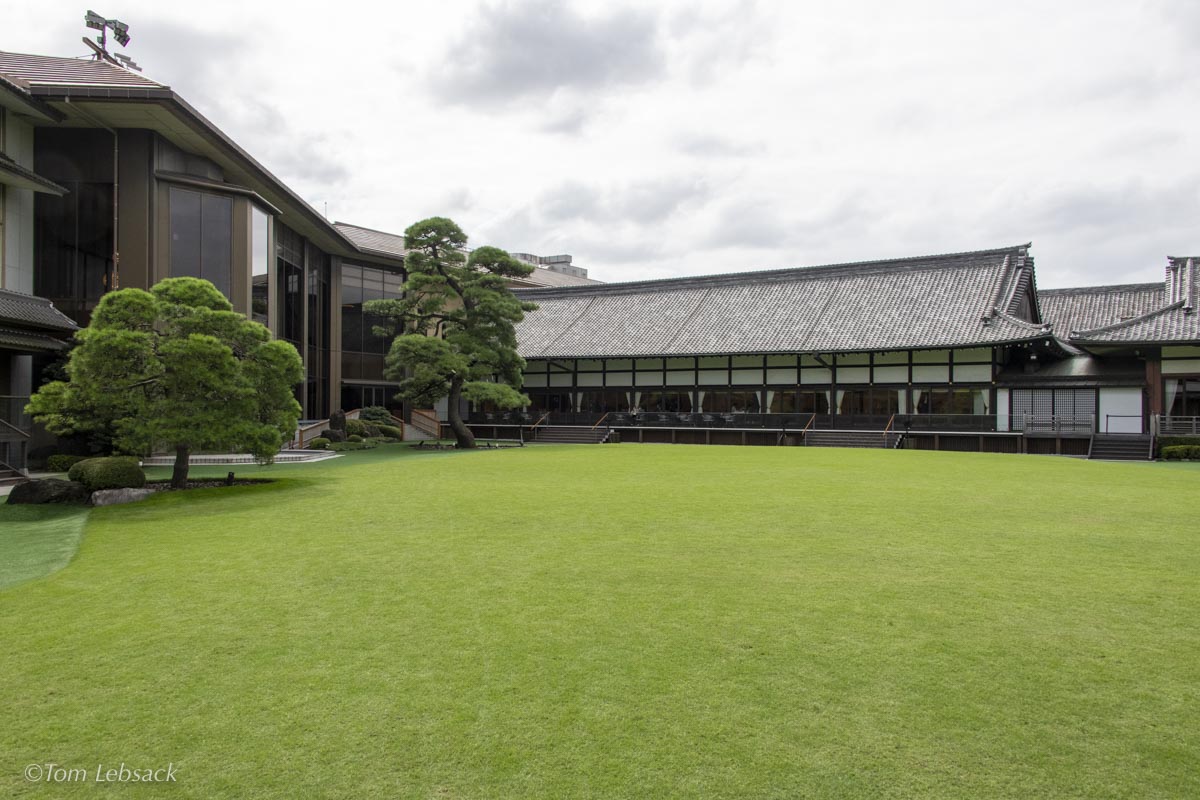
Meiji Kinenkan, our lunch venue (2842)
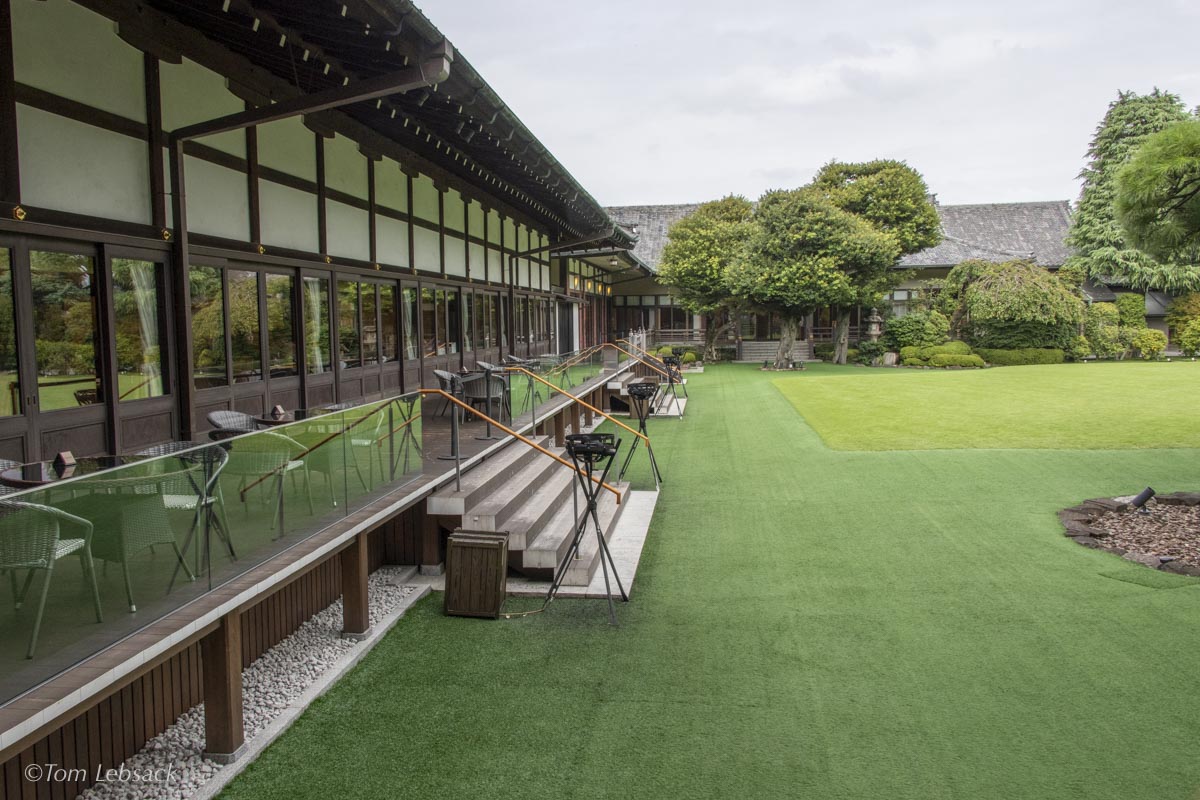
Meiji Kinenkan, our lunch venue (2829)
Meiji Kinenkan, our lunch venue (2844)
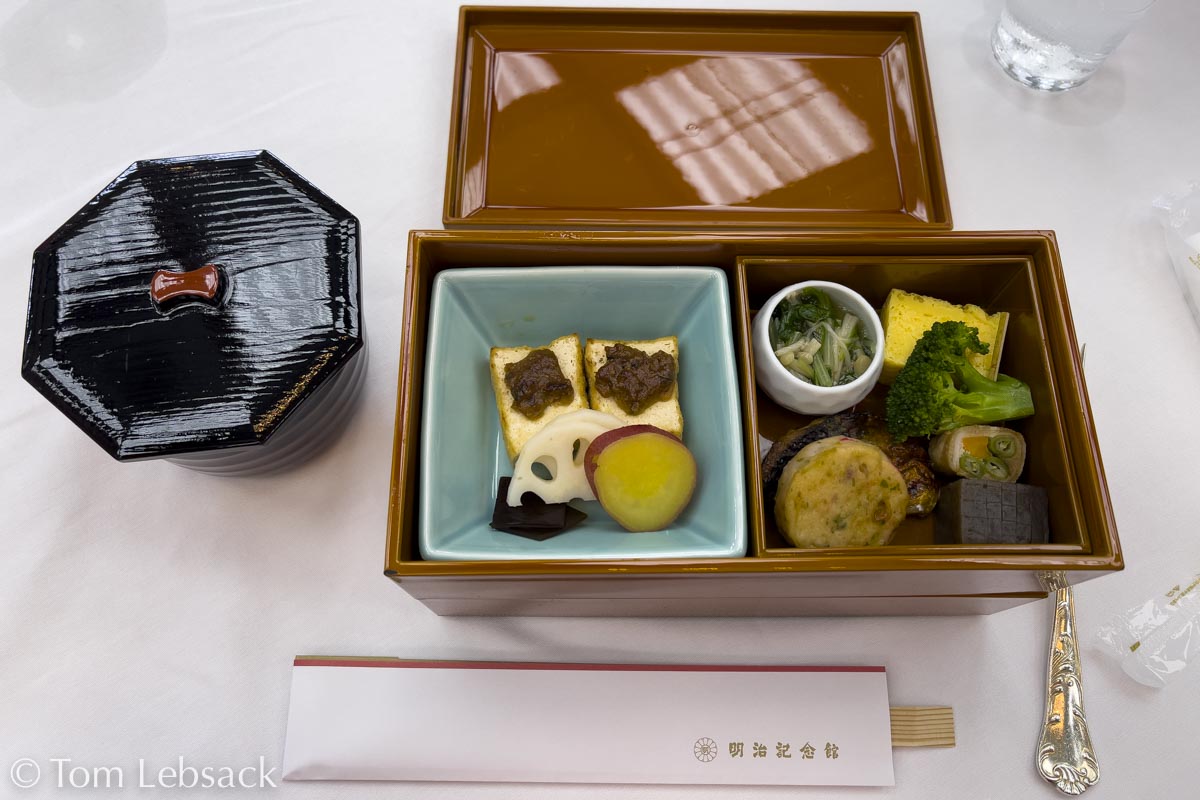
Meiji Kinenkan, our lunch venue (2844)
Meiji Kinenkan, our lunch venue (2844)
Asakusa Temple (Senso-ji)
Senso-ji is the oldest Buddhist temple in Tokyo and also called Asakusa Kannon because it houses the Kannon, the Goddess of Mercy, one of the most beloved and widely venerated deities in Japanese Buddhism. The temple is an important center of worship and draws 30 million visitors every year. There were a lot of people there when we visited, and among them were many girls in formal kimono attire. We thought they were part of some celebration, but were told by native Japanese that these are Korean or Chinese girls playing dress-up.
Nearby is the Tokyo Skytree, a huge tower 2080 feet tall, the tallest such structure in the world, according to its website. We did not have time to visit it, however. Also nearby is the Asahi Beer Hall, with it’s distinctive gold sculpture that the locals refer to as the golden turd.
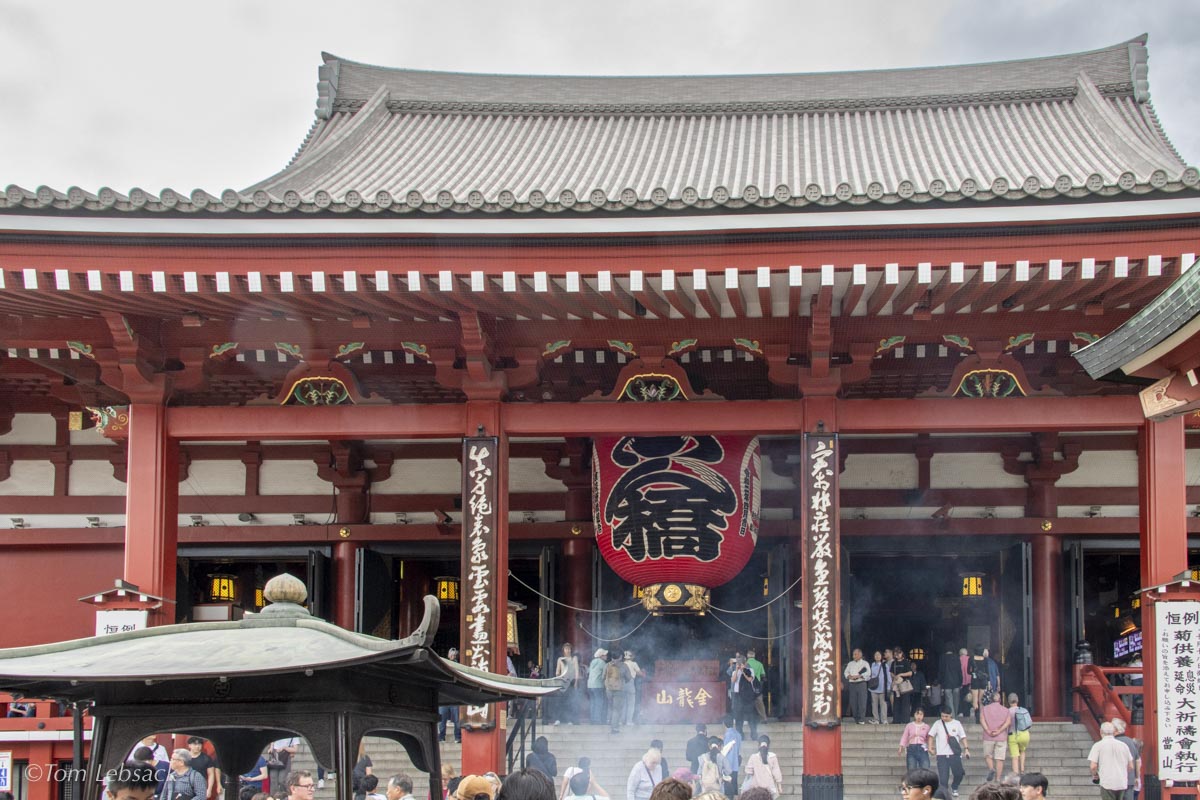
Asakusa Temple (2857)
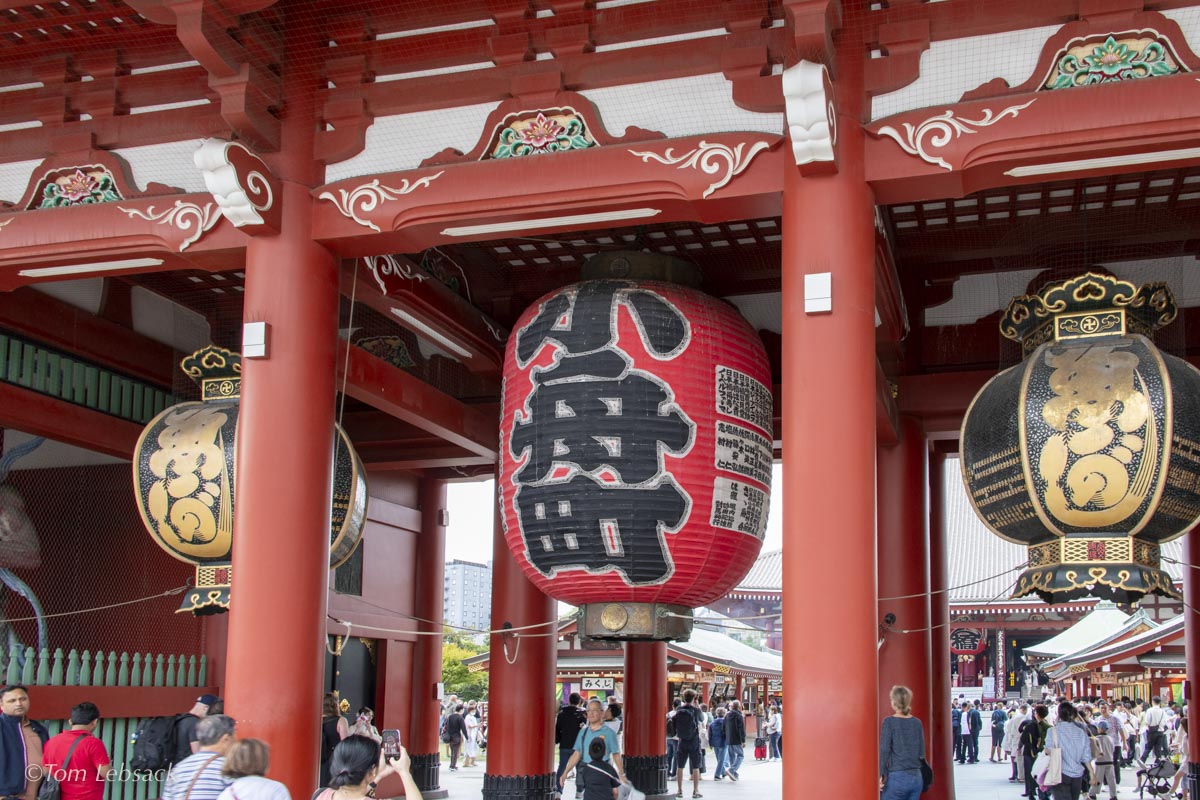
Asakusa Temple (2861)
Asakusa Temple (2853)
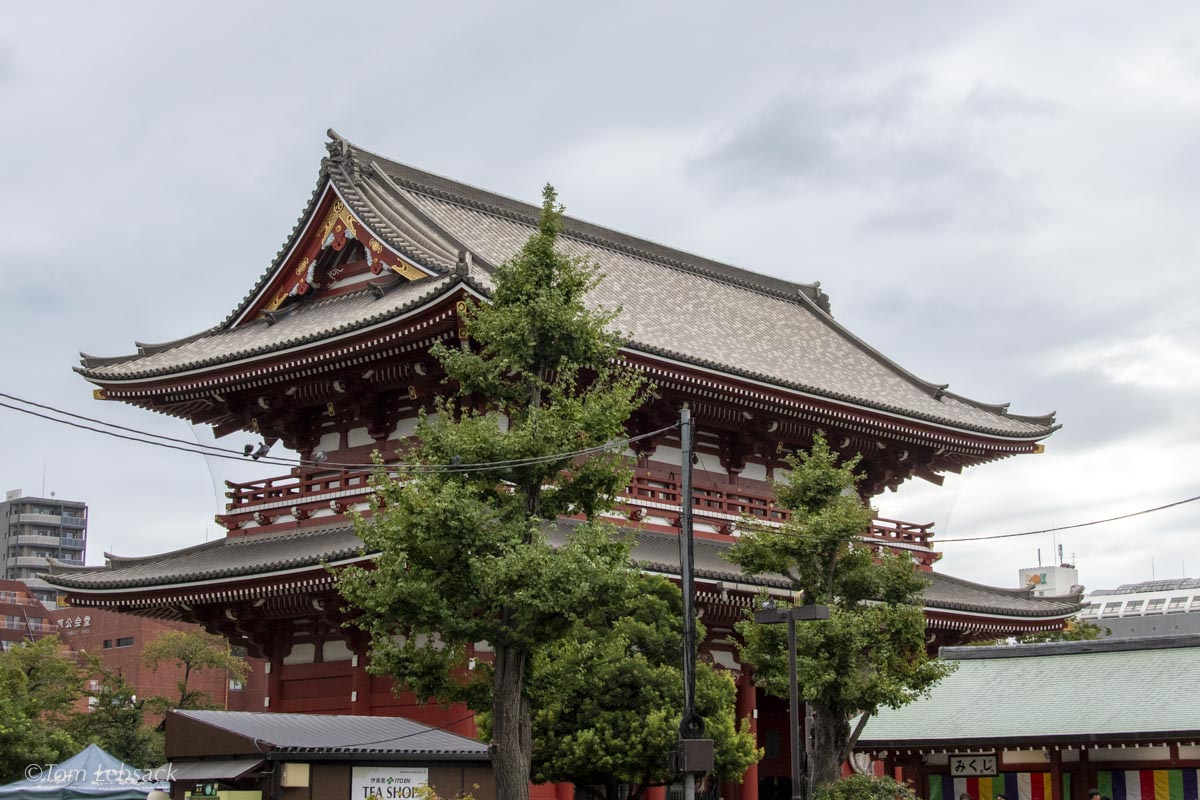
Asakusa Temple (2855)
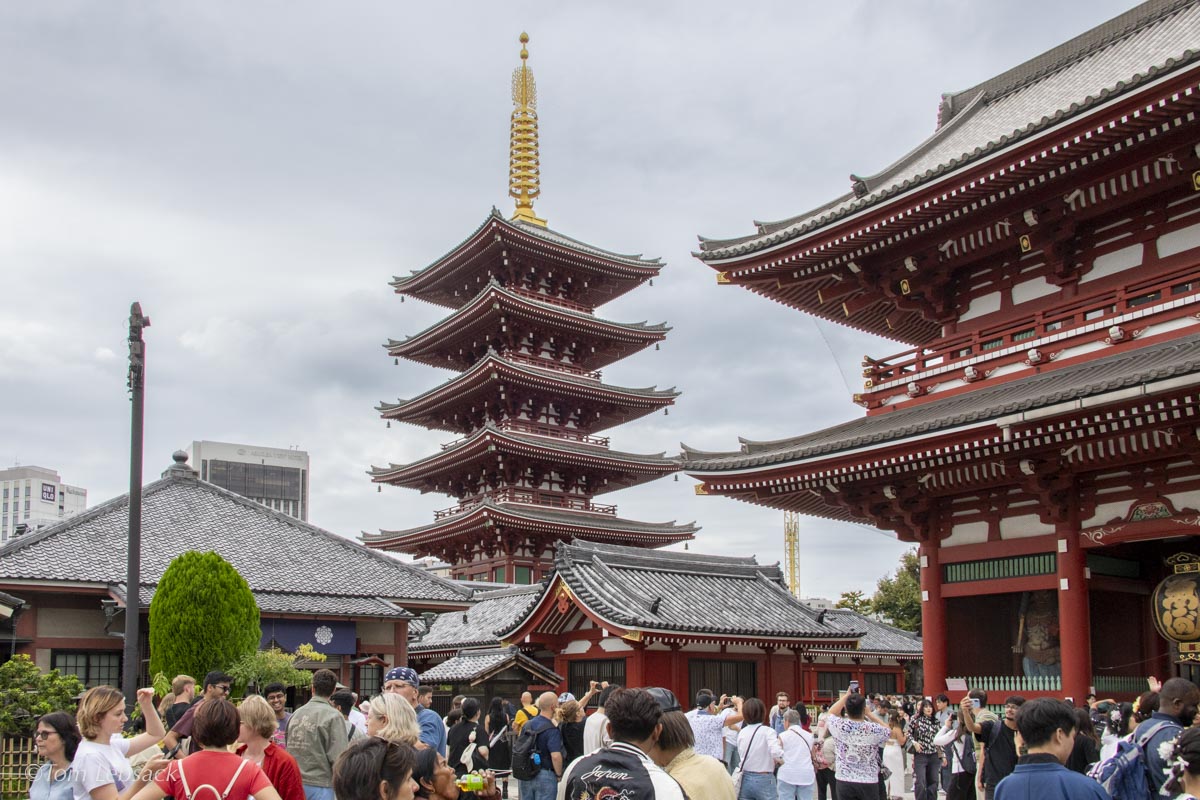
Asakusa Temple (2862)
Asakusa Temple (2859)
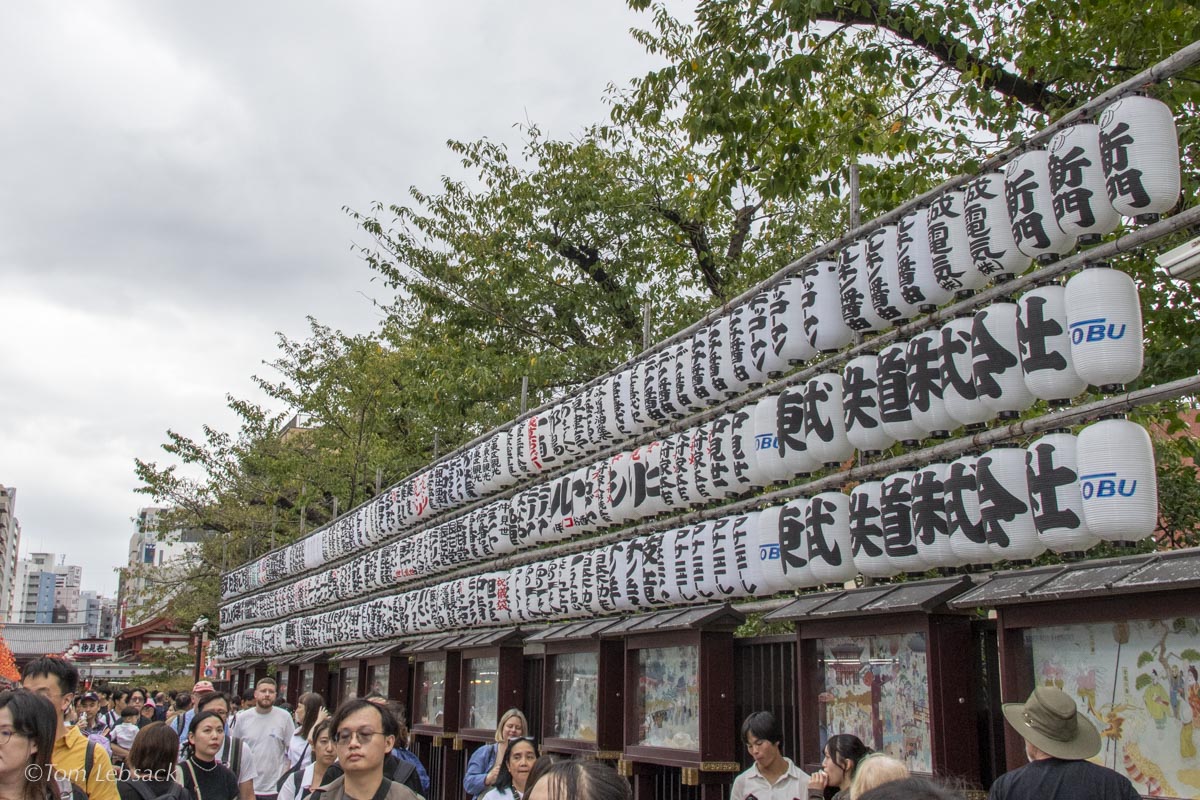
Sake Barrels, Asakusa Temple (2864)
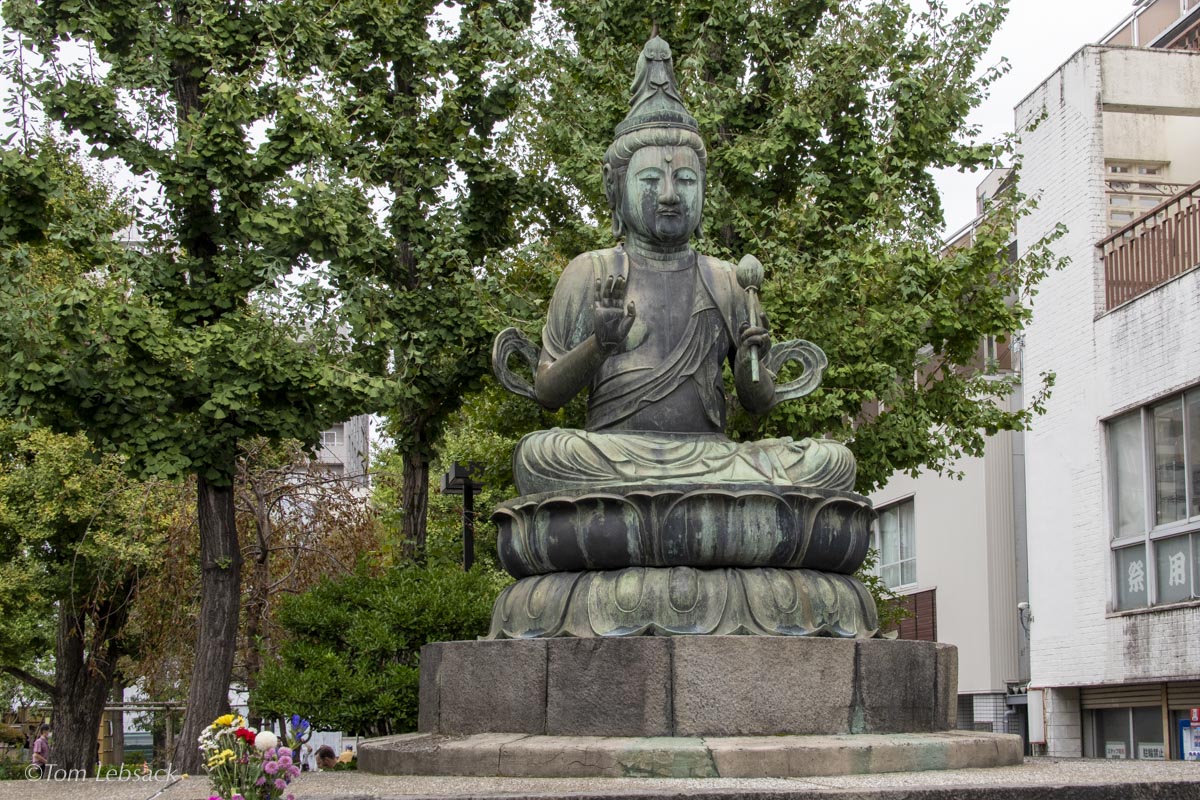
Asakusa Kannon (2873)
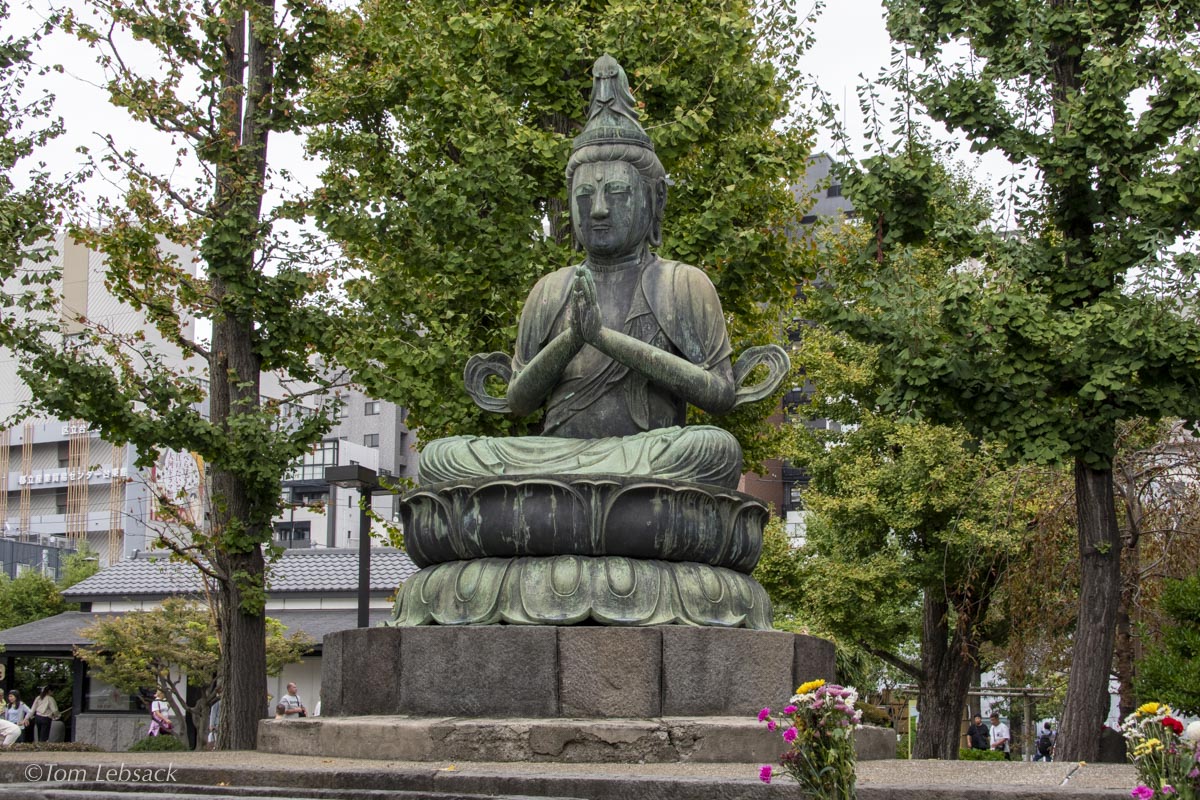
Asakusa Kannon (2874)
Asakusa Temple (2875)
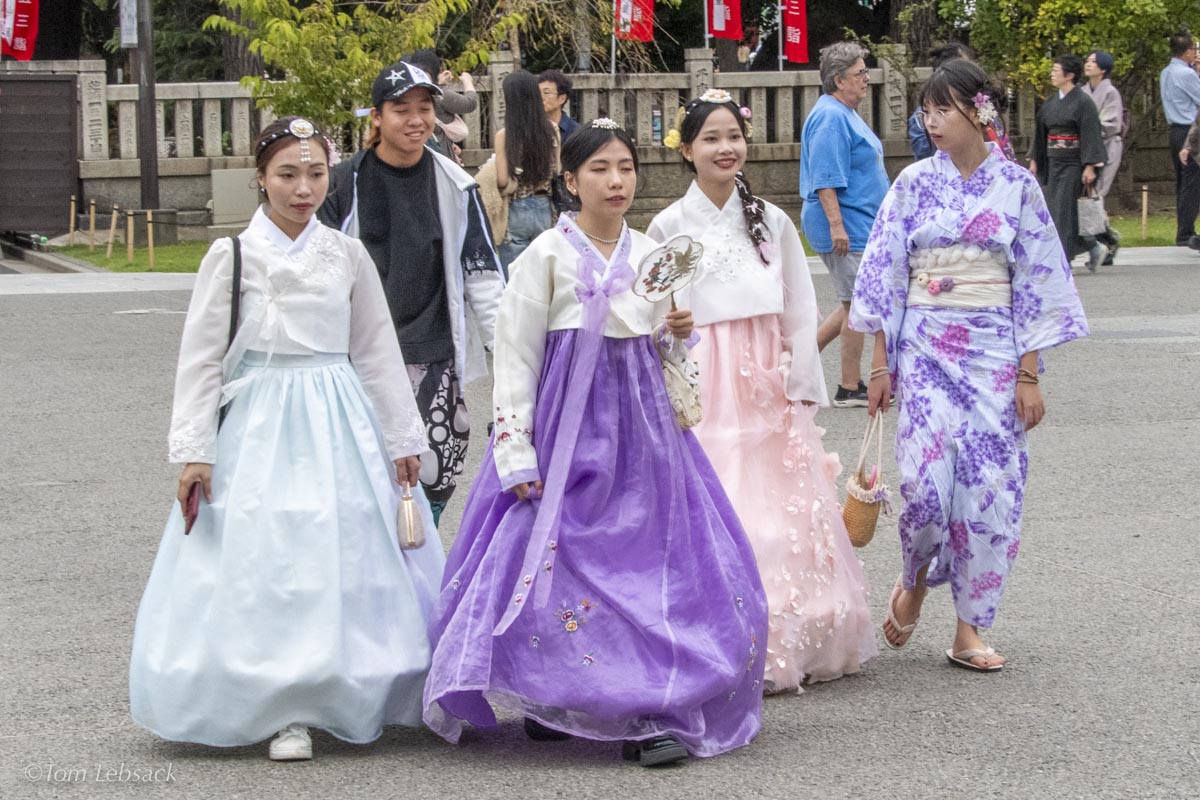
Girls in dress-up attire (2876)
Girl in formal attire (2858)
Tokyo Skytree (2869)
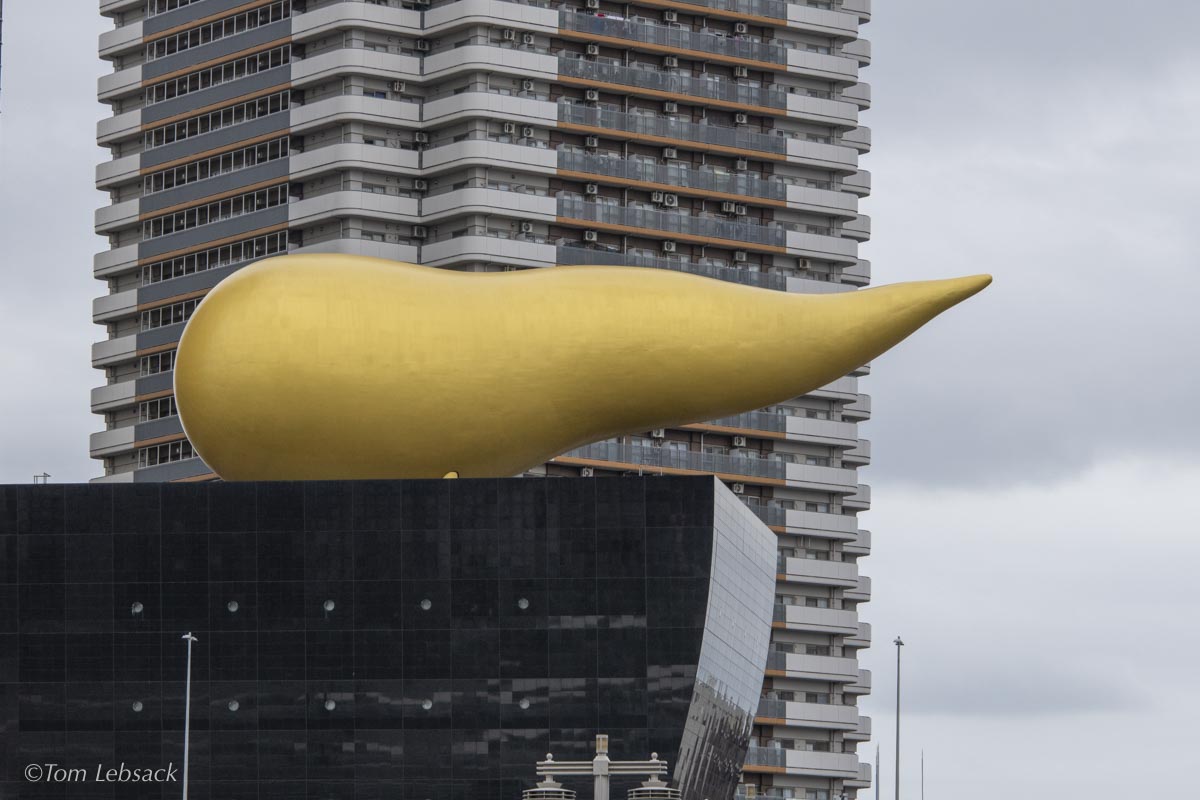
Asahi Beer Hall (2871)
© Tom Lebsack